11? That’s not how to smoke shops out!
Fewer than a dozen stores were visited in Town Hall's underage vape sale tests
Friday, 20th March — By Isabel Loubser
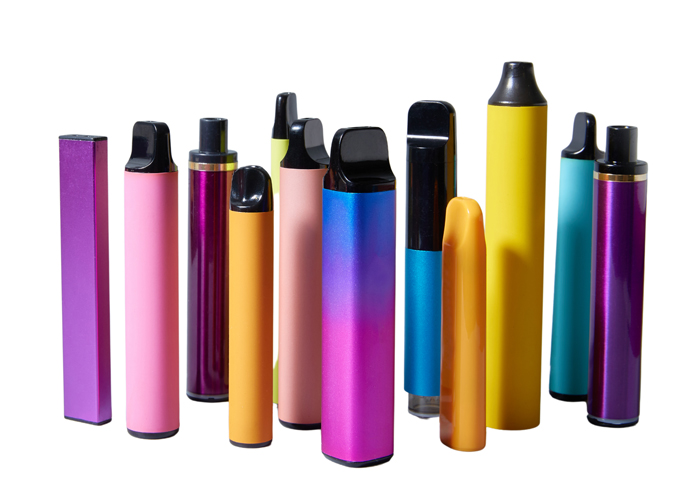
THE Town Hall carried out tests at fewer than a dozen shops to see whether they would sell vapes to minors last year, new data has revealed.
The scarce checks come while some 20 per cent of 11 to 17-year-olds admit to having tried vaping in the UK, and campaign groups call for a clampdown on licensing.
More than a quarter of those tested by Islington Council’s trading standards teams failed checks, and two faced fines of thousands of pounds as a result.
But this has not deterred traders from flogging the nicotine-delivery devices to minors.
The Tribune this week visited 12 shops selling vapes in Holloway Road, and found that a 17-year-old was able to buy a vape in half of them.
The first shop tested asked no questions other than “cash or card” when the teenager asked for a re-chargeable raspberry vape.
Two others similarly made no effort to request ID, whilst three more were willing to accept a photograph as proof of age.
According to the council, trading standards teams carry out “regular checks” to ensure traders do not sell age-restricted products, but data shows only 11 test purchases for vapes were carried out between April 2024 and April 2025, leading to three sales and two prosecutions.
Dan Bethell, who has taught at Islington Arts and Media for 27 years, said the findings were “a massive concern”.
“The fact everything is brightly coloured and lemonade flavoured shows that it is clearly being promoted towards young people,” he told the Tribune. “We don’t know what the implications of vaping will be down the road, it’s really dangerous.”
Mr Bethell added: “The lack of tests is a concern, because it’s clear that young people are getting them, and we should regularly be doing tests like we do with knives. You should send them into every shop, and it should be crystal clear that if you fail there’s no ambiguity, you should be closed down.”
Mark Oates, from campaign group We Vape, said that he was “shocked, but not surprised, by the findings of this investigation”.
He told the Tribune: “This isn’t a failure of the law. The law is already clear that sales to children are illegal. It is a systemic failure of enforcement that we are seeing again and again across the country. When a council tests just 11 shops in an entire year, it sends a signal to rogue retailers that they can break the law with little risk of consequence. That is the real problem here.”
Mr Oates added: “We need to stop defaulting to new bans and restrictions, and focus on what actually works: proper enforcement, properly resourced trading standards teams, and penalties that genuinely deter repeat offenders.”
Meanwhile, Caroline Cerny, from Action on Smoking and Health, who have produced the most comprehensive data on the youth vaping epidemic, agreed that it was no surprise that many shops were selling the e-cigarettes to young people.
“Our research with children shows that 50 per cent of those who say they buy vapes buy them in shops”, she said.
Ms Cerny added that shops do not need a licence to sell vapes, meaning that they can be on sale at hairdressers, and even butchers.
“The Tobacco and Vapes Bill, which is currently passing through parliament, will introduce some provisions that will make it harder to buy vapes,” Ms Cerny explained. “Shops will need a licence and there will be the power to issue an on-the-spot fixed penalty, which will be a bigger deterrent and encourage better practice across the retail sectors.”
Cllr Angelo Weekes, who heads up community safety at the Town Hall, said: “We are determined to make Islington a safe place for everyone, which is why we won’t tolerate the sale of vapes, which can be extremely harmful products, to underage children.
“Our trading standards team regularly visit businesses to ensure that retailers are complying with the law and that the correct measures are in place to prevent the underage sale of vapes. The team also undertakes test purchases using young volunteers to monitor if they will be sold products. Trading standards officers have the statutory powers to carry out these checks, and we strongly discourage others from doing so.”
