Anger at uni plan to lay off lecturers
London Metropolitan University has told professors, lecturers and academic mentors they could be made redundant
Friday, 30th January — By Isabel Loubser
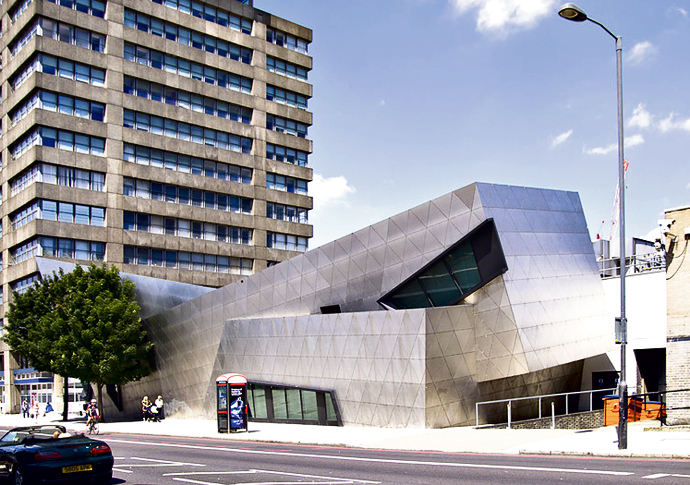
London Met University in Holloway Road [Artur Salisz_ CC BY-NC 2.0]
MORE than 100 staff are set to lose their jobs as a university has started a process of mass lay-offs.
London Metropolitan University, based in Holloway, has told professors, lecturers, and academic mentors they could be made redundant as it responds to “financial pressures”.
Glyn Robbins, a senior lecturer in community development and leadership, is among those at risk of losing their job, and labelled the rationale behind cuts “bullshit”.
“They want to lay waste to important features of London Met,” said Mr Robbins.
“The whole mentoring service is being scrapped, the sociology department is being decimated. London Met has a long association of being a place for those with a non-traditional academic background.
“Some people have been there for a long time, and for all of us, it’s the kind of place that we have come to know and love.”
Documents seen by the Tribune cite a falling number of students and increased financial pressure as reasons for the redundancies.
Mr Robbins said: “They’re saying it’s money, but only two years ago, they made a big surplus, and the current chancellor was boasting about it, saying they’d been really careful with the cash.”
In a video released in 2024, Professor Julie Hall, the university’s vice-chancellor, said: “The story of London Met’s financial sustainability, I think is a lesson for the whole sector.”
The chief adds that the financial strategy has “achieved an impressive operating surplus”.

Glyn Robbins, a senior lecturer in community development and leadership
The figures included in the video claim that the turnover for the university doubled in 2023, and the operating surplus grew to £7.2million.
Mr Robbins said: “Within a fairly short period of time, they’ve gone from a financially robust position to making a loss.”
He added: “Whilst they are making us redundant, 19 senior members of staff are being paid between £100,000 and £360,000 a year. They are spending all this money on building works, but no students say ‘I want to study there because of a nice caff’. This is about priorities.”
The University and College Union branded the mass redundancies “indefensible” and said picket lines and protests will be held next month.
In a newsletter sent to members, the union said: “Vital student support services are at risk and entire subject areas face closure. While losses were reported last year, senior management pay remains excessive and £20m a year is earmarked for building projects – indefensible when jobs, courses, research and student support are being cut. UCU will fight these cuts and protests will be announced shortly.”
A spokesperson for London Metropolitan University said: “In response to unprecedented challenges facing the higher education sector, London Metropolitan University has begun formal consultations within a number of schools, working closely with staff and recognised trade unions throughout this process. We recognise that this is an unsettling time for colleagues and that uncertainty causes real concern.
“While the university returned operating surpluses in 2023 and 2024 following a period of significant transformation and careful financial management, the national higher education environment has since changed sharply.
“Government policy decisions, rising employer pension and National Insurance costs, inflationary pressures, and a sustained fall in international student recruitment are now affecting the majority of universities in the UK. Regulated UK tuition fees no longer cover the full cost of teaching.”
They added: “Despite early and sustained action to control costs, including reductions in non-pay expenditure and scaled-back capital spending, further action is now required.
“No final decisions have been made, and all proposals remain subject to consultation.
“These are difficult decisions, taken with care, to secure the university’s long-term financial sustainability and protect its ability to continue delivering high-quality education and research, supporting students, staff, and the communities it serves for years to come.”
