Blurred lines: Let’s challenge ‘ordinariness of sexist banter’
Friday, 29th April 2022 — By Anita Grant
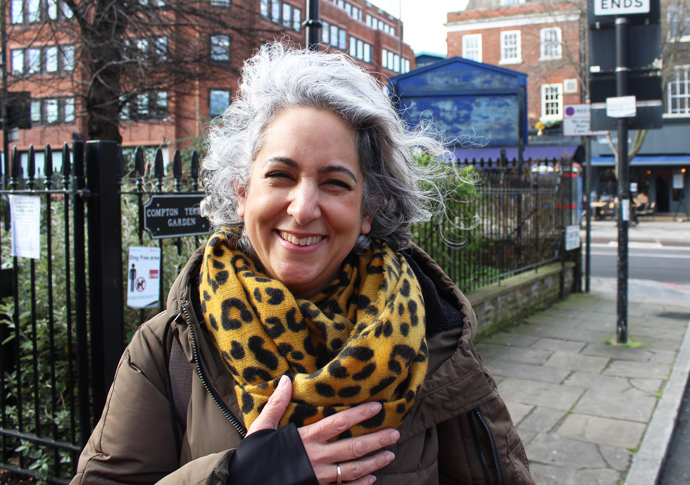
Anita Grant
I HAVE been involved in many conversations about violence against women and girls strategies over the last year and am grateful and inspired by the honesty and bravery shown by those who have stories to tell as well as by many of the responses from organisations and individuals to the issues.
It is a sign of a healthy society when difficult and painful issues can be aired, discussed and to start to be put right.
There is a missing part of the puzzle and professional women are becoming more and more aware of it.
Whilst there is a strong and necessary focus on bringing perpetrators to justice and for victims of horrific crimes to be supported especially within the home, there is also a need for the “ordinariness” of sexist banter and speech to be challenged.
There is a need for inappropriate behaviour to be called out and a zero tolerance to undermining and degrading attitudes to women being on display or accepted in the public arena.
I have myself received belittling comments, spoken to as if I know less as a woman. I have had my viewpoint ignored until repeated by a male colleague. I have had my appearance commented on and I have also experienced being touched inappropriately by colleagues.
Those experiences are not comparable to violence but they create a normality that traps us as a society – blurring the lines about what is acceptable, what is “free speech” and what can be allowed.
In experiencing these incidents, one becomes a victim and the emotions experienced are recognisable ones of worry that it was “your own fault” and concern that you will be ostracised.
You wonder whether you were mistaken, you are too sensitive, whether they did it by accident, whether you will jeopardise your social standing if you call it out.
So often these incidents involve power. They would be easy to manage if they didn’t!
Power has been held by white male humans for a long time.
I believe we are going in the right direction and am proud to draft VAWG strategies and to have in-depth conversations with organisations including the police. But until we challenge the power imbalances and ensure that men take responsibility for the impact of their actions, we will not be able to stamp out this ongoing story and allow women and girls the freedom to live their lives safely.
• Anita Grant is the chief executive officer of Islington Play Association and co-founder of Islington4women
