Eco2026: The hot book list, and why it’s better to read it together
A reading group which concentrates on climate change is thriving
Monday, 9th February — By Caitlin Maskell
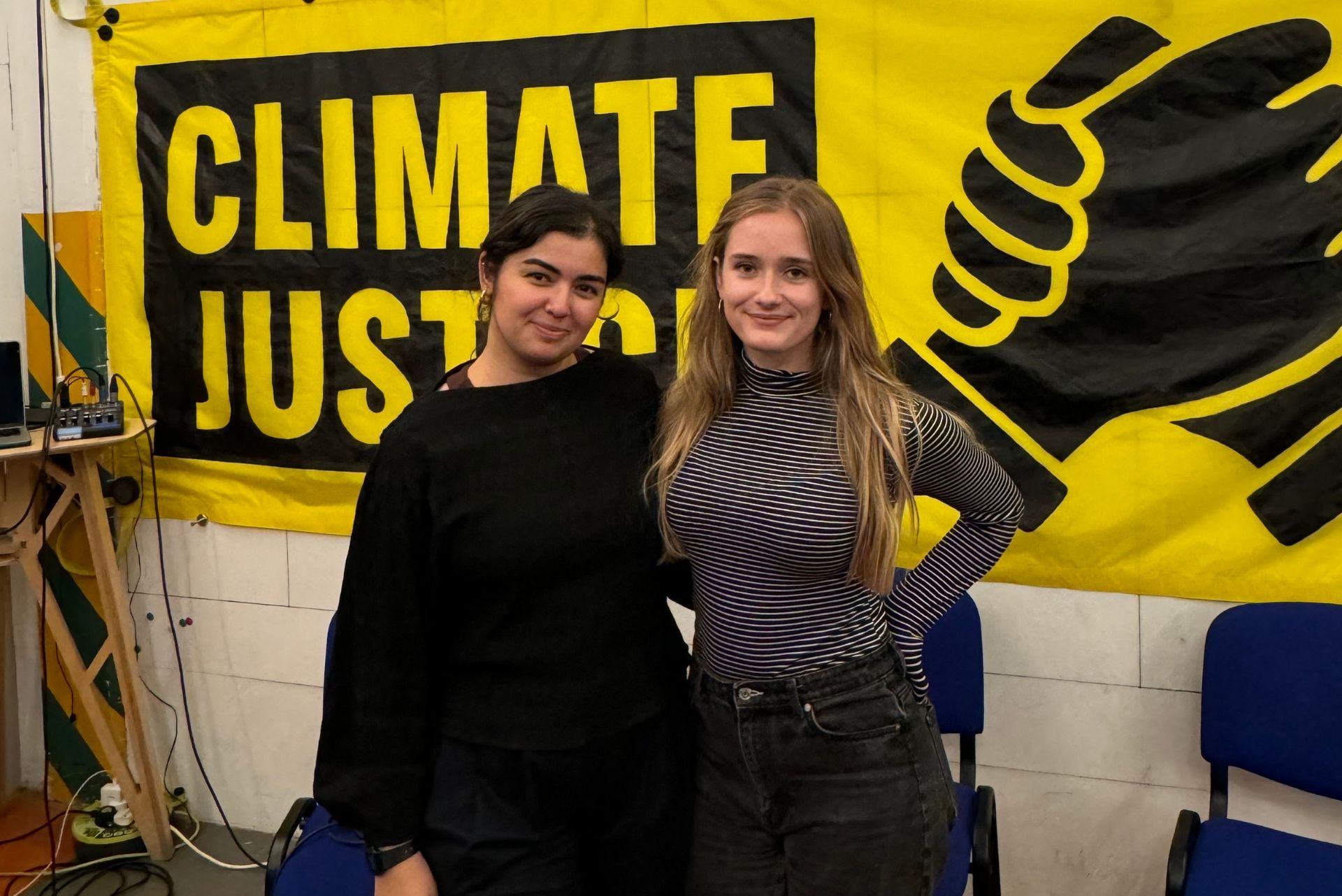
Issey Gladston and Diyora Shadijanova
ON the hottest day ever recorded, a social media post about a climate book club went viral.
Four years on, that group has grown from living-room discussions into a thriving community.
A climate-conscious book club that explores the environmental crisis through its reading list says it is not all despair, but also a source of hope – having grown from a small discussion group into a growing community.
Hothouse Bookclub, founded in 2022 by Issey Gladston and Diyora Shadijanova, began as an invite to a handful of friends to one another’s homes to discuss climate-focused books.
But after that online post, the co-organisers realised there was a wider demand for a climate-aware reading group.
“It didn’t surprise me that the bookclub gained so much interest so quickly,” said Ms Shadijanova.
“I think a lot of people were feeling, and still feel, that anxiety and that desire to get together and find like-minded people to learn more about the crisis and see what else they can do.
“Wins happen at a pretty small scale and that is where something like a book club, where people meet and form a community and also engage on certain topics, is part of a wider ecosystem of making change happen.”
She added: “I don’t think anyone is under any illusions that everything is going to be OK, but the book club offers a sense of community, that at least we have each other and we’re thinking actively about these things and that’s what is going to be needed and required more as time goes on.”
The group’s first session, held at Housmans Bookshop in King’s Cross, attracted 40 people.
It has since grown to around 300 members, connected through WhatsApp groups where members share information about upcoming book discussions, countryside walks and protests.
Ms Gladston said: “I think there is hope in the fact that everyone comes to an event to talk to one another.
“You start to see familiar faces or new faces of people who care about something, so you feel less alone.
“I think that’s something that our repeat members really take solace in. Reading about the climate can be tough – sometimes we read really hopeful things but sometimes it can seem bleak, and if you’re doing that alone you will stop doing it because we’re human and we want to avoid bad feelings. “We’re most proud of that transition of being receptive to reading, to people actually starting to take their first actions together.”
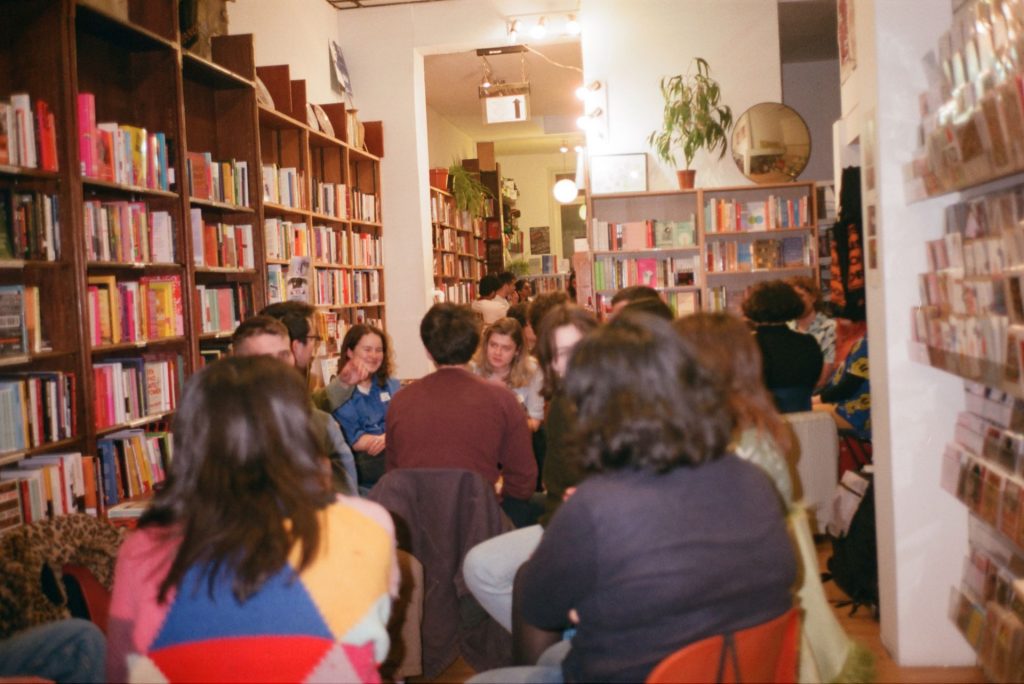
People gather for the Hothouse bookclub
She added: “We get very different people on different parts of their climate journey and it’s really taught me about the diversity of reasons why people come into the climate space, and emphasising to people that climate is not this issue that sits alongside every other issue – it’s the issue that ties them together.
“If you focus on solving that in the right way, not in a technocratic way, it really will lift up a lot of the issues we are facing in society.”
Hothouse events run quarterly throughout the year. Recent readings have included works by emerging female authors such as Joycelyn Longdon’s Natural Connection and Dalia Al-Dujaili’s Babylon Albion.
Ms Shadijanova said: “Thematically we try to make sure there is variation in the reading. We’re thinking how we can engage with the climate crisis in different ways, so maybe one session we’ll discuss land justice, the next session it’s about feminism and how that intersects with environmental justice.”
Ms Gladston added: “We want to emphasise that this has become more than a book club – it has become a big community.
“People will share events they are doing so it has become quite autonomous which is nice to see.
“This year we are focusing on ownership, trying to make our members feel it is as much theirs as ours.”
