Heatwave ‘line-up’: calls to protect teachers and pupils
Union reps demand enforced rules at schools during hot weather
Friday, 17th July — By Felix Bright
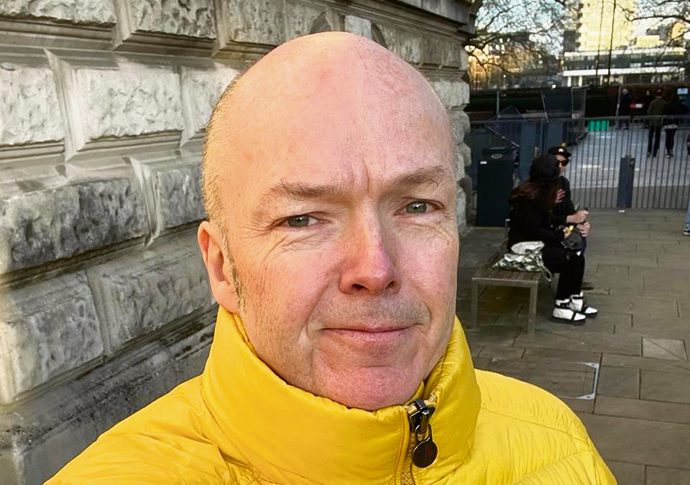
Terry Sullivan of the National Education Union
UNION reps are calling for enforced rules on hot weather after reports of staff and pupils being asked to line up outside in punishing heatwave temperatures.
Some schools have closed early or implemented “heat timetables” with thermometers stuck in the 30s.
But the National Education Union is investigating claims that it was 32C when a line-up was conducted in the midday sun at one academy school in the borough this week. A pregnant teacher was among those expected to staff this process, according to onlookers.
Pippa Dowswell, joint secretary for the Islington NEU, said: “These line-ups are outrageous. I have photos of classrooms where children and staff are forced to work in conditions that should not be allowed. It is unacceptable that we are trying to teach in this weather. There are big infrastructural questions to ask.”
The union has referred to Section 44 of the Employment Rights Act of 1996, which provides workers with the legal right to refuse to work if they believe they are in “serious or imminent” danger.
Nationally, it has said that “staff should not be expected to work in classrooms above 28C. If safe temperatures cannot be maintained, schools must relocate to cooler areas or introduce early finishes.”
But there is no legally defined maximum classroom temperature and headteachers and leadership teams at individual schools have had to decide themselves how to meet the challenge of days of hot weather.
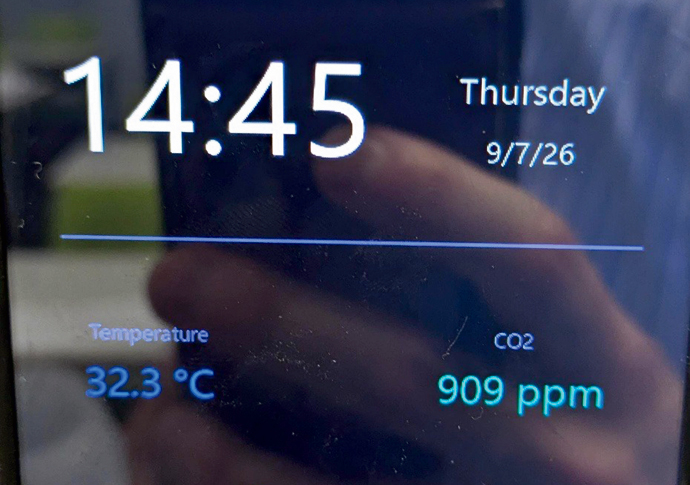
Temperatures an Islington Secondary School
Some have opted to close either partially or completely, with City and Islington College moving teaching online. Samuel Rhodes School cancelled afternoon lessons as part of its year timetable.
The NEU has predicted it would take 220 years at current education spending levels to make schools fit for hotter summers.
Ms Dowswell suggested that there could be a more pragmatic approach. “We could go continental with the school timetables,” she said. “In Cyprus, for example, term finishes in June, the school day starts at 7.30am and is over before 2pm.
“More investment is definitely needed, but these changes would not cost a lot of money and would help in the meantime.”
Terry Sullivan, the other joint secretary at the Islington union, shared photographs of thermostats inside classrooms reading over 34C.
“The council is not doing enough,” he said. “They should at least be putting guidance out about maximum temperature.
“It’s unfair on headteachers, who have been left to make the decision, they’re not qualified health professionals.”
Mr Sullivan said the problem often extends beyond the school gates, adding: “Just closing schools is not the answer. There are so many children being sent home and they end up in even hotter locations. The borough is just not built for this heat.”
Islington’s children’s chief, Labour councillor Sheila Chapman, said: “This is a national issue so our response follows the government’s guidance. Currently, the guidance is for schools to sign up to receive heat-health alerts from the UK Health Security Agency, and to take early action to protect children and staff during hot weather. Each school is different, so it is important for them to manage their own risk assessments.”
She added: “The guidance also states that schools should prioritise staying open as schools are considered safe places for children who may not be any cooler at home.
“There are adaptations that schools can make to keep everyone comfortable, including hydration breaks, using shaded and cooler spaces, and relaxing uniform requirements.”
