How Sola finally made a splash at 48
Swimming teacher who overcame fear of water is helping others to take a dip
Friday, 4th September — By Finn Logue
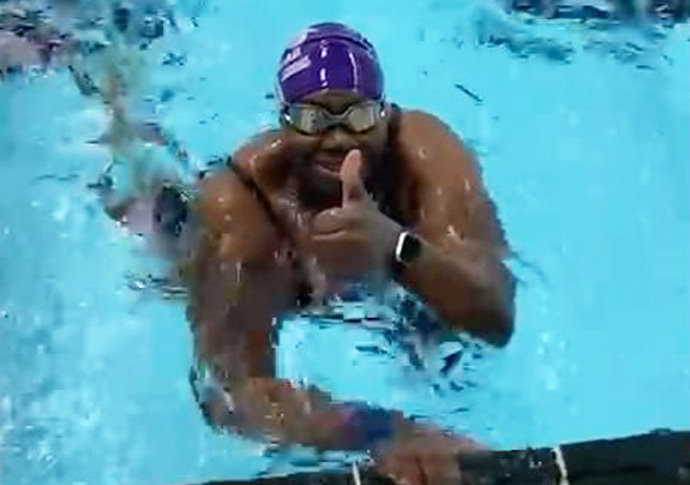
Swimming instructor and JUMP! author Sola Alegbe in the pool
A SWIMMING teacher who overcame a “lifelong” fear of water at the age of 48 has dedicated herself to improving accessibility to pools among disadvantaged communities.
Sola Alegbe published her debut book JUMP! in April, which documents her journey from being terrified of the water to helping others get in the pool “one foot at a time”.
At age 11, she was pushed into a swimming pool by a forceful teacher, and almost drowned. She spent over 30 years petrified of the water, still suffering from the trauma of the incident.
After becoming seriously ill with epilepsy, a doctor recommended she take up swimming to lose weight and improve her overall health.
“That first lesson was so daunting. I had so much fear, from the incident when I was a kid. But also with my body image, I was very overweight,” Ms Alegbe, who grew up near Caledonian Road and now lives in Old Street, told the Tribune.
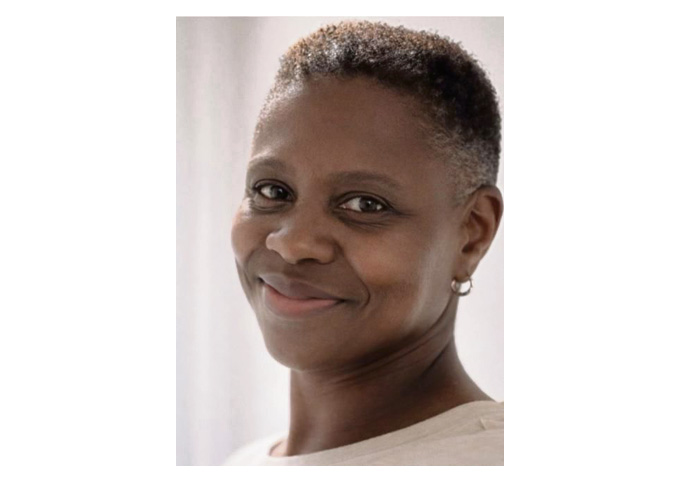
Ms Alegbe’s debut book documents her journey from being terrified of the water to helping others get in the pool
“And also, I’m black. In my first lesson when I looked around, I was surrounded by white people. It felt like they were all looking at me. They weren’t of course, but I felt like an alien, you know.”
Ms Alegbe said that representation, both from teachers and other people in the pool, is essential for improving access to swimming for black and minority ethnic groups, who have traditionally experienced barriers to the sport.
She added: “We don’t have so many black teachers in Islington, and that can really put people off learning. Representation is so important, because if you improve accessibility across the community, then you can hope to see more teachers of colour and this will be a positive cycle.
“There also needs to be more adaptation to adult lessons, which are really important for helping people, like me, overcome barriers they experienced as a child.”
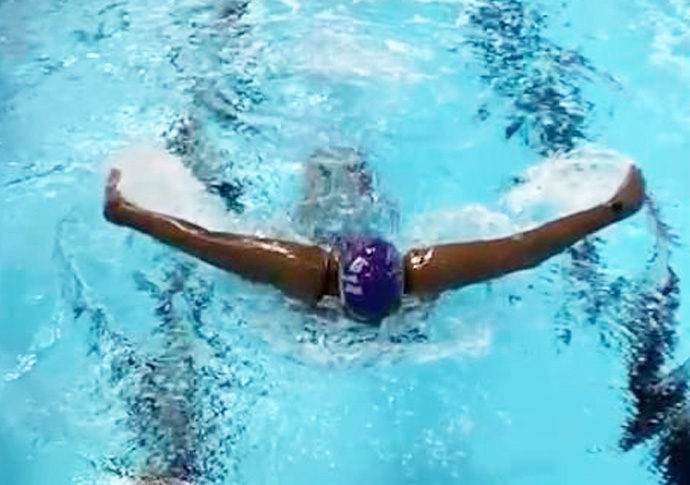
Figures compiled by Swim England suggest that up to 67 per cent of black women and 44 per cent of black men cannot swim – far higher than the national average.
Efforts to improve representation and accessibility must come from more open communication around the lack of diversity, Ms Alegbe said.
She started writing JUMP! during the Covid pandemic in an effort to unravel her complicated relationship with the water, and in the hope that her story may “inspire” others to get involved.
She added: “I started by just writing down my experiences, because I like writing. But then I realised this might actually help somebody, and I started taking it more seriously and it took me a good few years. I’ve already had people contacting me saying that this book has inspired them to try swimming for the first time, or dedicate more time to their form, and that is the main thing I wanted to get out of this.”
In 2024, Ms Alegbe was featured in a Swim England campaign, recognising her for her community work and incredible story.
