Is it all leading to total gridlock?
Friday, 8th April 2022
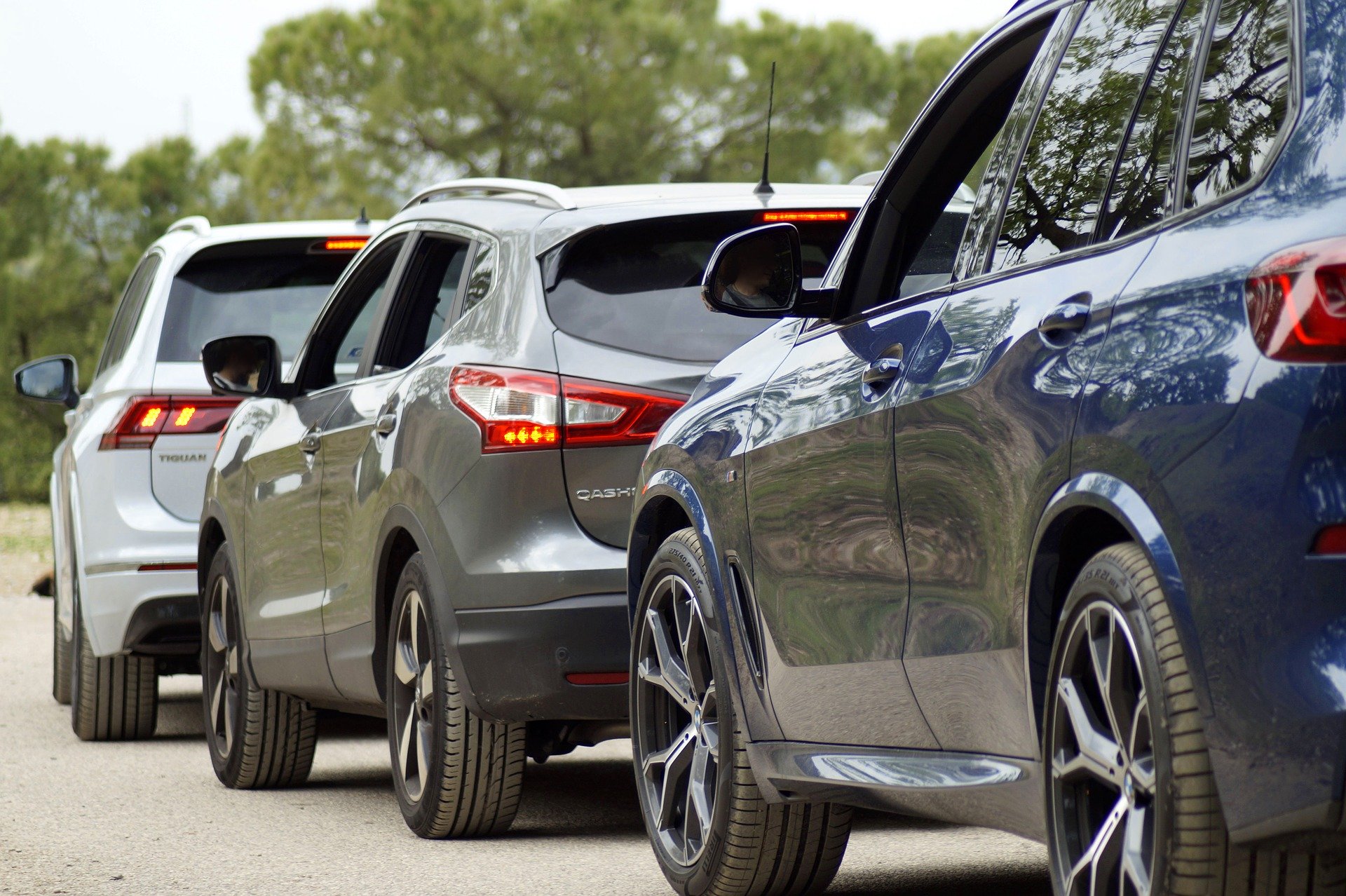
‘So is sufficient traffic evaporation happening? The short answer is no’
• ISLINGTON Council has been monitoring and then reporting on its LTN, low traffic neighbourhood, road closure trials.
Quite right too. How else would we know whether they are working?
Unfortunately there were a series of misleading errors and claims in the Highbury interim results report.
NO2 emissions have “decreased at all sites” turned out to be a 26 per cent increase.
Traffic only increased by 16 per cent on Blackstock Road North turned out to be by 65 per cent.
A rather startling claim that traffic had gone down by 42 per cent on Holloway Road was later disowned.
The council has duly apologised. It urges us to focus instead on Highbury’s 12 months results.
So how do these measure up against the trial objectives?
Healthy: No data were collected on walking and there is no discernible evidence of change.
As for cycling, the report reveals an average 1 per cent increase on the internal roads (page 70), and a decrease on boundary roads. Not really a success, then.
Safe: No road accident data have been included.
The 12 months report instead tells us that there has been an average speed reduction on our internal roads of 0.4mph (page 39).
Not really an achievement, and Highbury already had an excellent road safety record [my letter, May 21 2021].
Cleaner and greener: The 12-month report records that air quality has worsened at all locations (pages 76-78). No success there either, then.
The simple truth is that these trials don’t work if they merely displace traffic onto our (limited capacity) boundary roads, with all that this entails for our boundary road communities.
To succeed, LTNs must lead to enough unnecessary vehicles getting off the road, leaving drivers who reasonably need to use the roads to circulate freely.
So is sufficient traffic evaporation happening? The short answer is no.
It’s nearly two years since the first Islington LTN trial, and still traffic is regularly gridlocked on our boundary roads, particularly when there are roadworks (there is no slack to accommodate these).
When I look at the gridlocked traffic I see cars, buses, vans, emergency vehicles and council vehicles.
What proportion, then, of these drivers are making unnecessary journeys, selfishly clogging up our boundary roads and preventing necessary traffic from flowing?
What proportion could reasonably change their travel mode?
What proportion are not even local drivers but are simply passing through as part of a longer journey?
The council really should by now know the answers to these questions.
Making policy on a wing and a prayer is not good enough, not least as its masterplan is for about 20 LTNs.
As each new LTN is added more vehicles will join the boundary road queues.
Is Islington being systematically shepherded, one LTN at a time, into full borough gridlock?
If it is, and if the Highbury trial failings are anything to go by, for what benefit?
RACHEL BOLT
Highbury West LTN
