‘It is just wrong’: fears robo-cars will mean the end of the road for cabbies
Angry demonstration outside driverless car firm’s offices
Friday, 23rd October
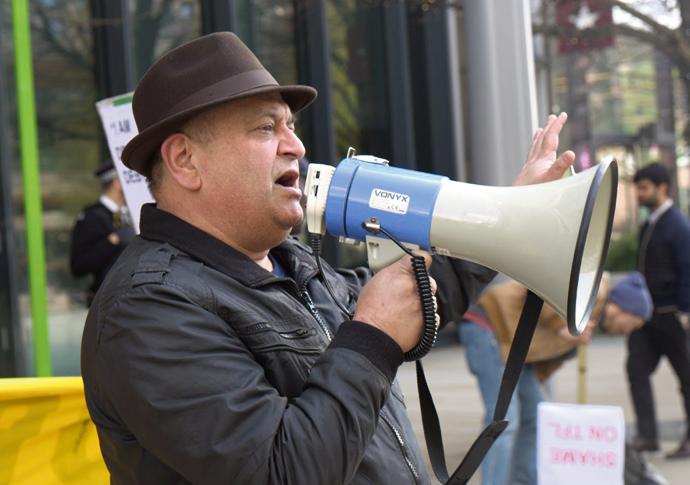
Taxi driver Gholamreza ‘Rez’ Kamyabi outside Wayve’s offices in York Way
SELF-DRIVING robo-cars could spell the end for the “centuries-long” taxi industry, cabbies claimed as they protested outside Wayve’s head offices.
Drivers, trade unions and politicians gathered outside the company’s head offices in York Way and called for the Mayor of London, Sir Sadiq Khan, to take a “firmer stance” against the rollout of autonomous vehicle taxis. Trials have started across the city, and the planned full-scale rollout this summer was delayed until next year.
At the protest, drivers said that they feared for the future of their livelihoods with the arrival of the ‘completely unnecessary’ self-driving taxis.
Gholamreza “Rez” Kamyabi, a taxi driver since 1985 and vice-chair of the IWGB private drivers branch of the Independent Workers of Great Britain union, told the Tribune: “We are trying our best to stop these taxis from rolling out across the city.
“I don’t think they benefit anybody, except the tech billionaires. There are talks of 100,000 potential job losses, and the loss of an industry that has been around for centuries – all to be replaced by inhumane robots.”
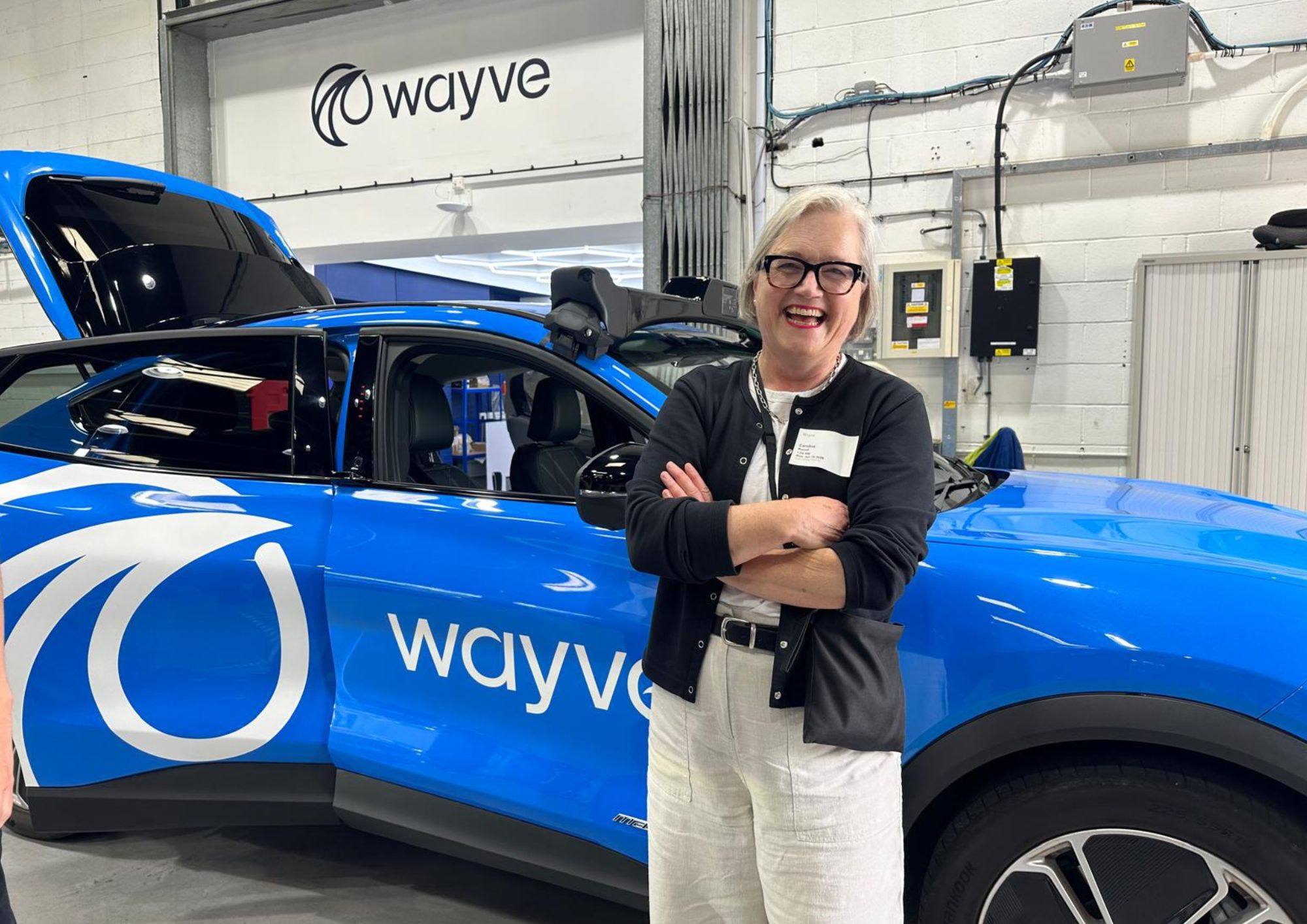
Former Islington councillor Caroline Russell visiting Wayve’s offices earlier this year
You will soon be able to order the taxis through the app.
Mr Kamyabi said he had noticed a “significant decline” in wages from Uber, which he believes is because they are investing more money into driverless cars.
He added that he felt that the companies were trying to steamroll over the rights of taxi drivers, many of whom are immigrants.
“When you look at it, many immigrants do this job, it’s the flexibility of the hours and freedom on timings they are attracted to,” he said.
“You can’t help but think that if it wasn’t a prominently immigrant workforce, we might be treated differently.
“When you are not a citizen you might have all sorts of issues, and so many feel scared to protest about this.”
The drivers’ anxieties were included in a report released by the London Assembly this month, overseen by former Islington councillor and GLA Transport chair Caroline Russell.
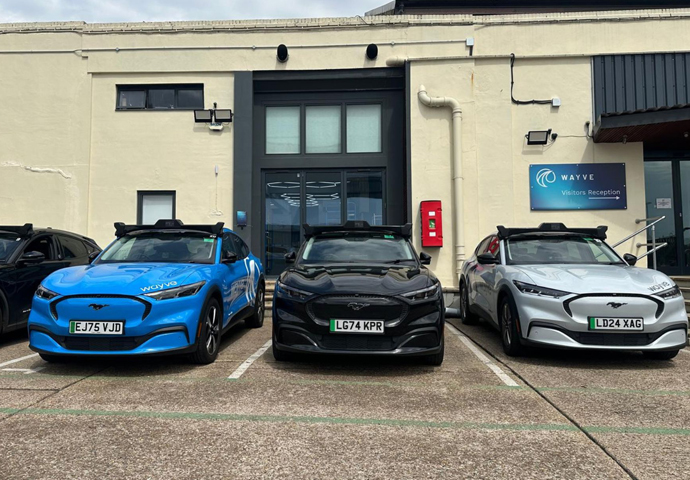
Wayve’s offices in York Way
In the report, Ms Russell argued that Transport for London needed to be given greater regulatory powers to curb the rise of the cars.
She said: “During our investigation, private hire drivers told us they were desperately worried about the future of their livelihoods. I understand why they are protesting.
“The London Assembly Transport Committee is not convinced that London should welcome driverless cars.
“Rather than just accepting the APS model proposed by operators, London should be looking at the transport problems it is trying to solve and then considering what solutions this technology could provide.”
A spokesperson for Wayve said: “Automated passenger services can make a positive contribution to London’s transport system, helping to improve road safety, expand connectivity and give people more ways to travel.We have engaged extensively with political leaders, community and civil-society organisations, accessibility advocates, and transport stakeholders across London.”
They added: “There is clear excitement in the potential for this technology to support safer, more accessible journeys, provided it is introduced responsibly and in partnership with the city.
“We have a positive, constructive relationship with TfL, who we’re proud to have worked closely with on approval for our PHV licence, and we’re working pragmatically together to ensure any future services meet its expectations and align with the Mayor’s Transport Strategy.
“We are taking a deliberately phased approach with our partner Uber, learning from supervised operations, sharing insight, and continuing to engage closely with London’s communities and public authorities as the technology develops.”
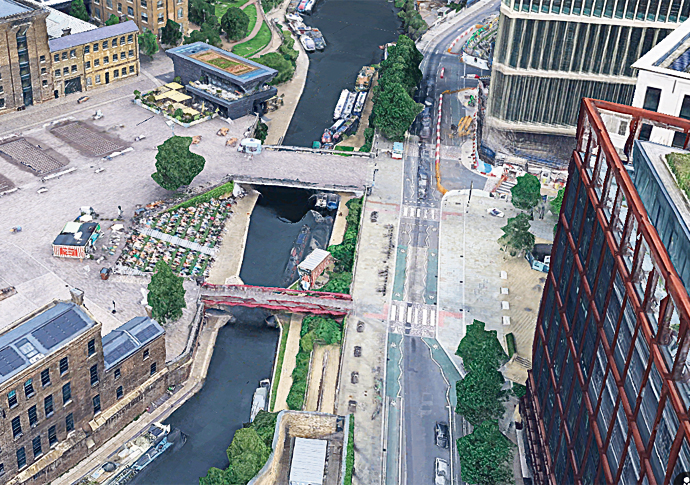
• THE emergence of driverless cars have had plenty of sceptics among the black cab trade with critics wondering how they would deal with finding short cuts, avoiding jams and matching ‘The Knowledge’ of seasoned human drivers. Steve Kenton, a black cab driver and columnist for the Licensed Taxi Drivers Association. last year questioned how a robot would ever get past the zebra crossings in Goods Way, King’s Cross, with its steady stream of pedestrians.
