Pledge over corridor care dismissed by campaigners
Health secretary is quizzed on the death of two-year-old boy
Friday, 23rd October — By Finn Logue

Finlay Roberts later died after being treated in a Whittington corridor
THE rampant problem of corridor care at the Whittington will continue as long as the NHS remains “underfunded”, campaigners and doctors have warned, after the government pledged to end its use by 2029.
Health secretary Yvette Cooper said this week that ending corridor care for children was an urgent priority for the government, after being quizzed on the death of two-year-old Finlay Roberts.
Finlay was taken to hospital after a stomach ache in 2024 and was treated in a corridor before he was sent home. He died two hours later.
While in the hospital, Finlay’s mother Liz Roberts was tasked with administering a suppository to her son in the communal areas of the hospital. In an inquest following his death, a coroner ruled that had Finlay received more adequate care while in the hospital, he may have survived.
Finlay’s parents have spent the past two years campaigning against the use of corridor care in hospitals, particularly for children, and have now been met with a pledge from the government to phase it out.
The Tribune reported last year that the Whittington Hospital had even advertised a specific job for a “corridor nurse”.

Shirley Franklin
In an interview with the BBC, Ms Cooper called on the NHS to draw up plans for urgent care reform and pledged £140m to overhaul the system and “end corridor care for children”.
But Shirley Franklin, from the Defend the Whittington Hospital Coalition, said Ms Cooper’s words were nothing more than “nonsense and lies”, and said the problem was so widespread it could not be fixed overnight.
She told the Tribune: “The government are now talking about corridor care because it’s been exposed nationally with the case of Finlay Roberts at Whittington Hospital.
“But we’ve been raising this issue for ages. A lack of funding to the NHS and social care is fuelling this, and what strikes me is that the cuts continue, with another round of £27m cuts announced for the Whittington.
“Of course the government don’t want corridor care, nobody does. But you can’t just talk about it without mentioning the cuts and ultimately this issue comes down to the fact that the entire service, and the social care system, is underfunded.”
The Whittington disputes Ms Franklin’s claim that “cuts” are being made, suggesting instead that the £27million figures are an “annual saving target”.
Earlier this year, the hospital’s urgent and emergency services received a grading of “requires improvement” from the Care Quality Commission, with corridor care cited as one of the reasons for the grading.
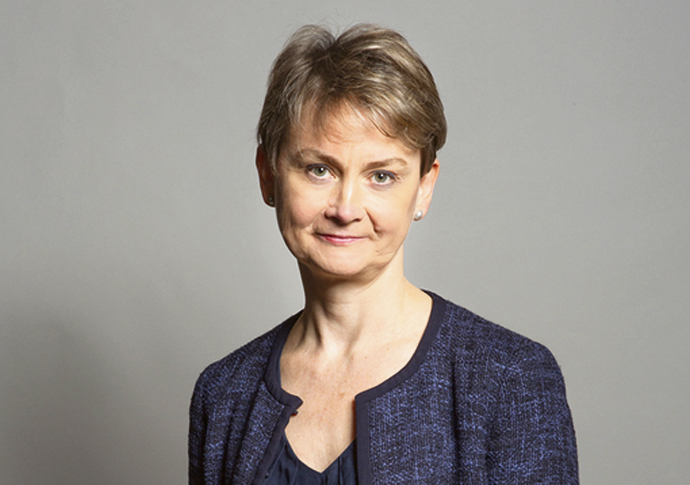
Yvette Cooper
Ms Franklin said: “We’re campaigning now against the cuts, because that leads to less staff which leads to more corridor care.”
An Islington-based resident doctor working in urgent services, who did not want to be named, said: “Corridor care is happening in A&E at almost every NHS hospital, and when it gets to winter there are basically people in corridor beds every day.
“And this comes from the NHS being chronically underfunded. I think ending it is definitely something we should be trying to achieve, because it means the quality of care is definitely worse for patients. A&E departments are overcrowded – what we need to be doing is putting more money into primary care, GPs and social care. What we lose with corridor care is dignity and confidentiality. And when we have to focus on maintaining these, the quality of care gets forgotten.”
Figures from the Royal College of Nursing show that nearly 70 per cent of nurses across the country are delivering regular care from the corridor.
A spokesperson for Whittington Health said: “Like many hospitals, we sometimes have more patients needing emergency care than we have beds available.
“One of the biggest challenges is that, at any one time, around a quarter of our hospital beds are occupied by patients who are well enough to leave hospital but are waiting for the care and support they need to return home or move elsewhere. This means other patients can face delays getting a bed.
“We recognise that caring for patients in corridors falls short of the standards they deserve. We have opened a new unit to provide more space for patients needing further assessment and are investing £2.4million to improve our Emergency Department. We are also working with local health and care partners to help patients leave hospital safely and sooner.
“We remain committed to reducing corridor care. We extend our deepest condolences to Finlay’s family.”
