Roots of conflict: the making of modern Iran
Following the US attack on Iran, Lucy Popescu looks to books that aim to explain the origin of recent hostilities
Friday, 6th March — By Lucy Popescu
IRAN is at a crossroads. Without attempting to comment on the crisis unfolding as I write, it’s worth turning to books that illuminate the making of modern Iran, and help explain the recent protests so brutally suppressed by the regime.
During my time at English PEN, the international writers’ organisation, I campaigned on behalf of political prisoners in Iran and lobbied for freedom of expression. I was fortunate enough to meet Iranian writers, poets and human rights activists engaged in this struggle, and to gain a deeper understanding of the country.
Here are several books I’ve read, reviewed, been recommended, or that are about to be published – all of them cutting through the misinformation and inevitable war rhetoric.
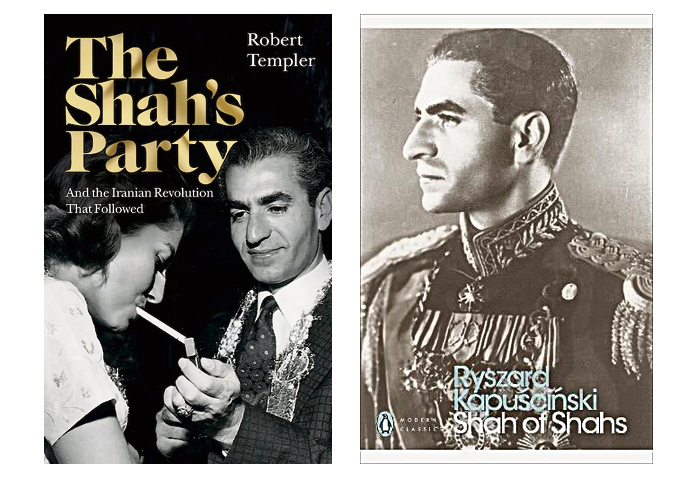
• Robert Templer’s The Shah’s Party: And the Iranian Revolution That Followed (Hurst Publishers) comes out this month and captures Iran’s oil-rich boom years. In 1971, eight years before the dynasty fell, Shah Mohammad Reza Pahlavi and his wife, Farah Diba, hosted an extravagant gathering of world leaders to celebrate the 2,500th anniversary of the Persian monarchy. But this came amid a rise in leftist agitation and a move towards political Islam. Ruhollah Khomeini, an exiled mullah, began a relentless campaign against the Shah, tapping into growing inequalities and pushing his theocratic vision, particularly among those who had left the countryside in search of work. In 1971, early signs of dissent started to build into a revolutionary torrent that would eventually sweep the dynasty aside.
• Ryszard Kapuscinski’s 1985 classic, Shah of Shahs (Penguin Modern Classics), also depicts the final years of the Shah, and is a chilling meditation on the effects of fear on a nation.
• First published in 2003, Azar Nafisi’s “memoir in books” Reading Lolita in Tehran (Penguin Modern Classics) was an instant bestseller. Set in Iran in the late 1990s, an all-female bookclub meet to discuss forbidden works of Western literature; inspired by the books they are reading, they begin to reveal their own personal stories, their aspirations and disappointments.
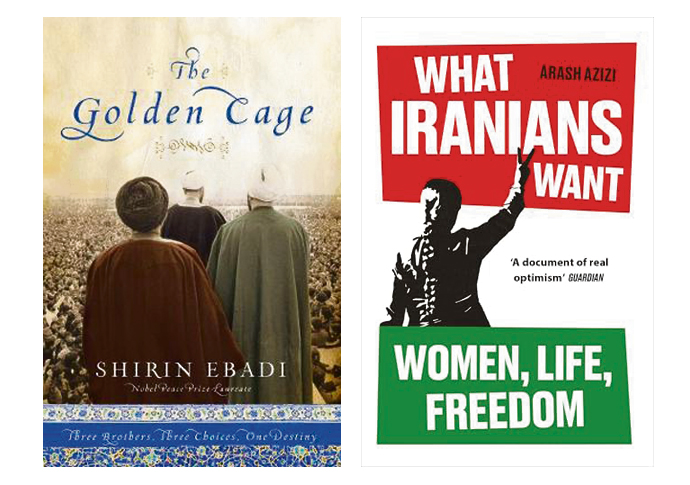
• From prison to Peace Prize, Iran Awakening (Ebury Publishing, 2007) by Shirin Ebadi with Azadeh Moaveni is a vivid account of life in Iran following the revolution from the perspective of a female judge, who later won the Nobel Prize for her human rights work. It’s informative and an unexpected page-turner. In The Golden Cage (WW Norton, 2011) Ebadi explores the impact of the Iranian Revolution on a single family. Following the lives of three brothers, Ebadi illustrates how tumultuous shifts in power affect ordinary Iranians. Until We Are Free: My Fight for Human Rights in Iran (Ebury Publishing, 2016) tells of her struggle for reform inside Iran, and the backlash she faced after winning the Nobel Peace Prize.
• In What Iranians Want: Women, Life, Freedom (Oneworld, 2025), Arash Azizi, a Tehran-born historian, author and political analyst, explores the wave of protests sparked by the death on September 16, 2022 of Mahsa Amini, a young Kurdish woman. She had been arrested by the morality police (established under former hardline president Mahmoud Ahmadinejad) for alleged non-compliance with the country’s mandatory hijab rules. Three days earlier, 21-year-old Amini had arrived in Tehran for a shopping trip. As she came out of Martyr Haqqani station, she was spotted by the “guidance patrol” who detain women with “bad or inadequate hijab”. While being transported by van to a nearby police station, Amini was brutally beaten. At Kasra hospital she was declared brain dead. By Friday her heart had stopped beating. The following day thousands of people attended her funeral in Saqqez shouting “Death to the Dictator”. Her tragic killing spawned a revolution. Women took to the streets across the country, their battle cry: Women, Life, Freedom, setting their headscarves on fire and cursing Seyyed Ali Hosseini Khamenei, who served as the supreme leader of Iran from 1989 until his recent assassination.
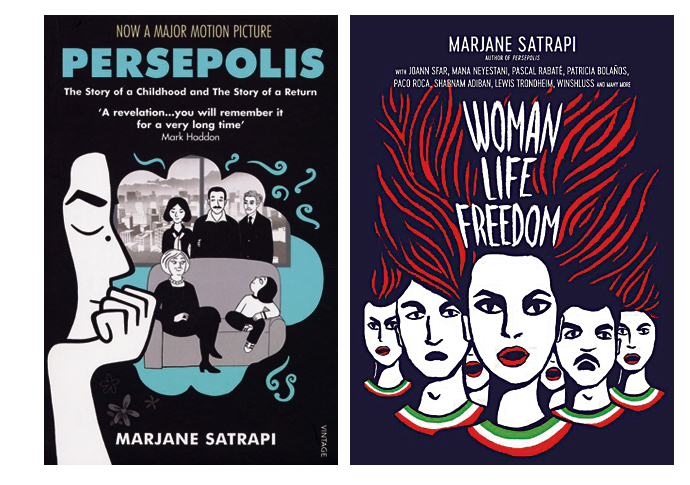
• The acclaimed graphic novel, Persepolis (Vintage), first published in English in 2003, is Marjane Satrapi’s memoir of growing up during the Islamic Revolution. Various members of her family are hunted down and imprisoned. The book has also been made into an Oscar-nominated animated film (2007) directed by Vincent Paronnaud and Marjane Satrapi. More recently, Satrapi published Woman, Life, Freedom (Seven Stories Press UK, 2024) a collaboration of activists, artists, journalists, and academics working together to depict the 2022 women’s uprising – with comics that show what would be censored in photos and film in Iran – in solidarity with the Iranian people.
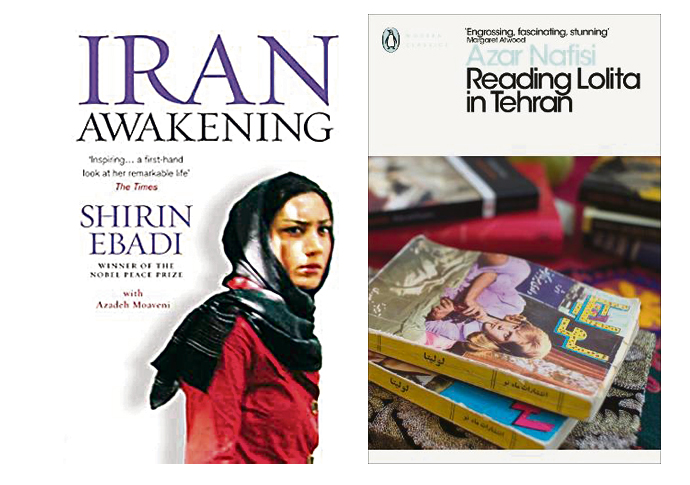
• We Are Iran (Granta, 2005) edited and translated by Nasrin Alavi is a collection of web dairies (blogs) on all manner of subjects from repression to nostalgia for lost heroes; encompassing politics, romance and modern culture. At the time, many Iranians found a freedom to express opinions online that was not available to them in print. The book proves a fascinating portrait of Iran in the early noughties.
• Refugee Nasrin Parvaz’s memoir One Woman’s Struggle in Iran, A Prison Memoir is a harrowing account of her time in detention while her novel The Secret Letters from X to A (both Victorina Press, 2018) focuses on the treatment of political prisoners.
• Christopher de Bellaigue lived in Tehran for many years, serving as a journalist and correspondent. His 2004 memoir In the Rose Garden of the Martyrs (HarperCollins Publishers) blends history, reportage, travelogue and memoir to great effect, creating a compelling and personal account of his time there.
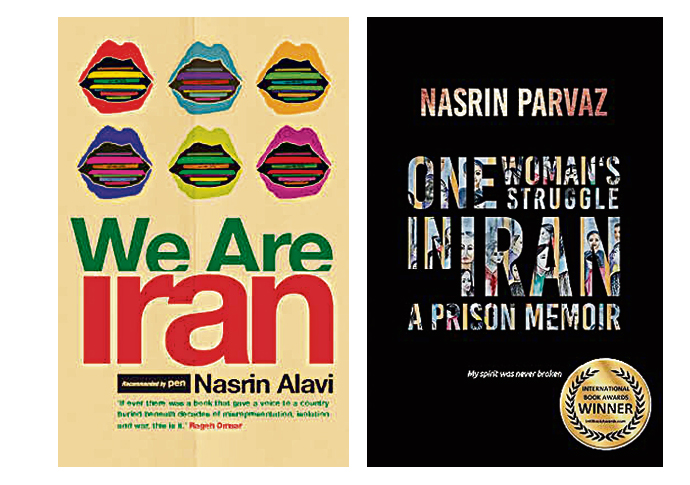
• Shahrnush Parsipur wrote Touba and the Meaning of Night during a period of imprisonment, and it was first published in Iran to 1989 to great acclaim. This epic novel about a strong-spirited Iranian woman was translated into English by Havva Houshmand and Kamran Talattof and published in 2006 by The Feminist Press at CUNY.
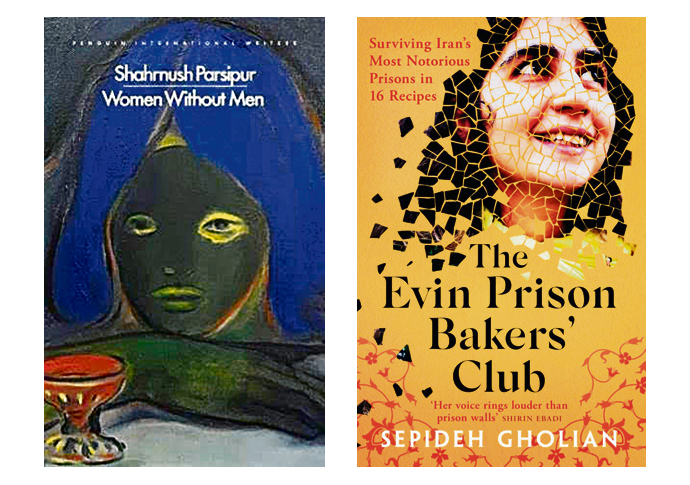
Parsipur’s works were banned by the Islamic Republic and she lives in exile in California. Penguin is about to publish Women Without Men, Parsipur’s 1989 novel, banned upon publication in Iran, now translated by Faridoun Farrokh, published in the UK for the first time and longlisted for the 2026 International Booker Prize. The underground bestseller in Iran follows five women seeking refuge from the strict confines of family and society.
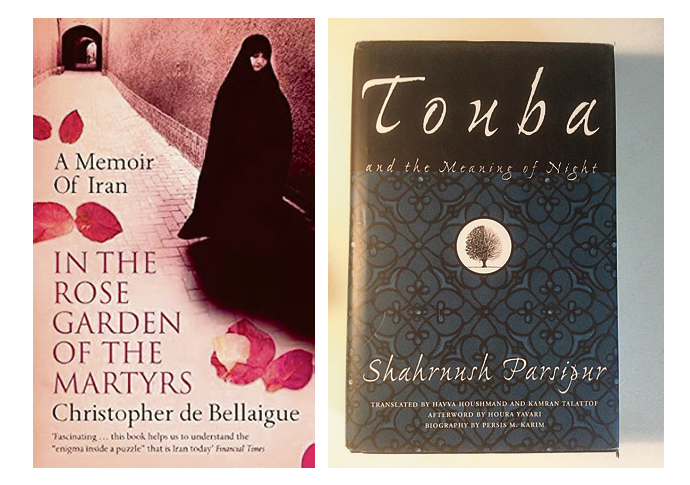
• Another Nobel Peace Prize-winning Iranian, human rights activist Narges Mohammadi’s 2022 book White Torture (Oneworld) documents the psychological and physical abuse of 14 Iranian women prisoners in Tehran’s Evin Prison through interviews conducted by Mohammadi, who was herself imprisoned. She is currently held in Zanjan prison in northern Iran, and has been on a hunger strike since early February 2026.
• Recently released from detention, Sepideh Gholian’s The Evin Prison Bakers’ Club (Oneworld, 2025) translated by Hessam Ashrafi, comprises 16 recipes testifying to the sisterhood and solidarity forged in Iran’s most notorious prison.
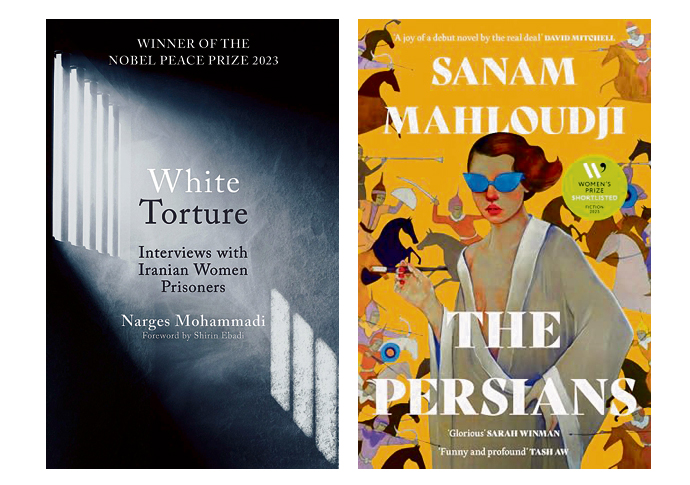
• Sanam Mahloudji’s darkly comic novel The Persians (HarperCollins, 2025), shortlisted for the 2025 Women’s Prize for Fiction and longlisted for the Authors’ Club Best First Novel Award, follows three generations of Iranian women exiled in the wake of the revolution as they navigate identity, loss, family, and the past.
