Shelf awareness: books to look out for in the first half of 2026
From Made in America to Beauty of the Beasts, Lucy Popescu offers up her pick
Friday, 9th January — By Lucy Popescu
January
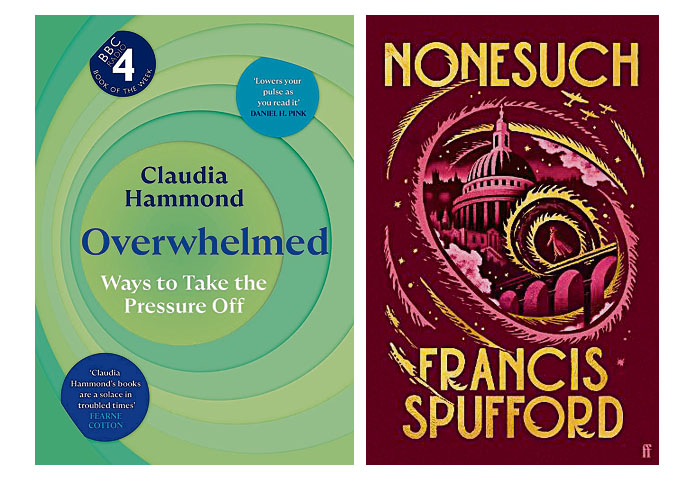
Perfect for New Year’s resolutions, Claudia Hammond’s Overwhelmed: Ways to Take the Pressure Off (Canongate), offers strategies for managing procrastination, regret, imposter syndrome, perfectionism and more. The award-winning presenter of BBC Radio 4’s All in the Mind, provides a clear-headed psychological toolkit that is practical and evidence-based.
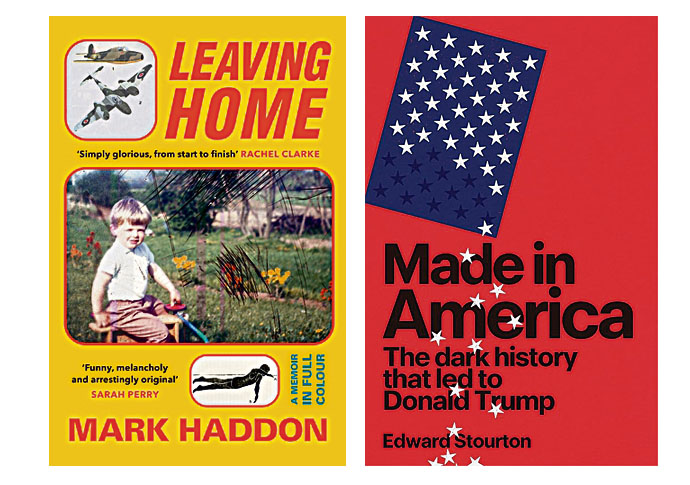
Since Donald Trump took office, many people – on both sides of the Atlantic – believe he will destroy his country’s democracy. Edward Stourton’s Made in America: The dark history that led to Donald Trump (Torva), demonstrates how the ideal of liberty has been tested across generations – from the first intolerant Pilgrims to the invasion of Mexico – revealing the dark side of the American Dream.
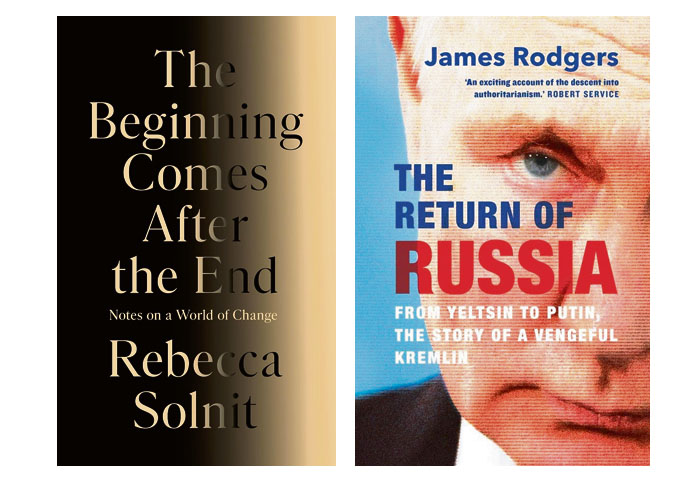
In The Return of Russia: From Yeltsin to Putin, the Story of a Vengeful Kremlin (Yale University Press), James Rodgers examines the development of Russia’s relationship with the West, from the collapse of the Soviet Union to today. He shows how Putin’s political stance – from ally to implacable critic – has shaped Russia’s place in the contemporary world.
February
Mark Haddon’s Leaving Home: A Memoir in Full Colour (Chatto & Windus) describes growing up in the English Midlands in the 1960s and 70s. It’s about family, knickerbocker glories and heart surgery, papier mâché, mental breakdown and great white sharks, and how art, in all its forms, provides a way of understanding.
Francis Spufford’s latest novel Nonesuch (Faber) is set in the summer of 1939. London is on the brink of catastrophic war. Iris Hawkins, an ambitious young woman in the stuffy world of City finance, has a chance encounter with Geoff, a technical whizz at the BBC’s nascent television unit. What was supposed to be one night of abandon becomes a reality where time bends, spirits can be summoned, and history hangs by a thread.
In Beauty of the Beasts: Rethinking Nature’s Least Loved Animals (Bloomsbury), Jo Wimpenny shows how the species we label “pests”, “scavengers” and “predators” benefit humanity and are more sentient than we thought. From wasps, providing free pest control, and snakes, whose venom may cure cancer, to the deep social bonds of crocodiles and vultures, this book rethinks our most misunderstood creatures.
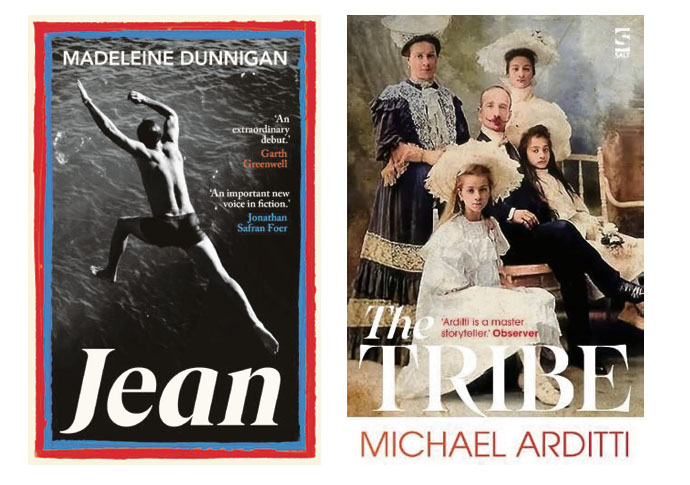
One afternoon in 1976, teenagers Jean and Tom share an almost imperceptible look across the grounds of Compton Manor, a boarding school for troubled boys. Their gaze marks a secret intimacy, shaped as much by violence as by friendship and desire. Madeleine Dunnigan’s debut novel Jean (Daunt Books Publishing), explores loss, escape and the fierce intensity of adolescent love.
March
North London author, Michael Arditti crosses cultures and continents in The Tribe (Salt Publishing), an epic novel exploring family, race, nation and empire. Opening in cosmopolitan Salonica during the dying days of the Ottoman Empire, the characters experience political and sexual awakenings, artistic triumphs, religious pressures, marital struggles, dynastic rivalries, persecution and liberation.
In The Beginning Comes After the End: Notes on a World of Change (Granta), Rebecca Solnit traces the transformations in ideas and rights that have changed our world over the last 50 years. By recognising the interdependent, symbiotic relationships in nature and among humans, she argues that this shift is beginning to challenge capitalism, white supremacy, patriarchy and the human domination of nature – even as the old order fights back.
Britain’s first black woman publisher, Margaret Busby has spent her career championing the lives and stories of others, particularly those marginalised by the mainstream. Part of the Story: Writings from Half a Century (Hamish Hamilton) gathers her reflections on people, places, politics and publishing, offering insights into what has defined her life, from her childhood in Ghana to the black writers, intellectuals, artists and activists she has worked with, befriended and supported.
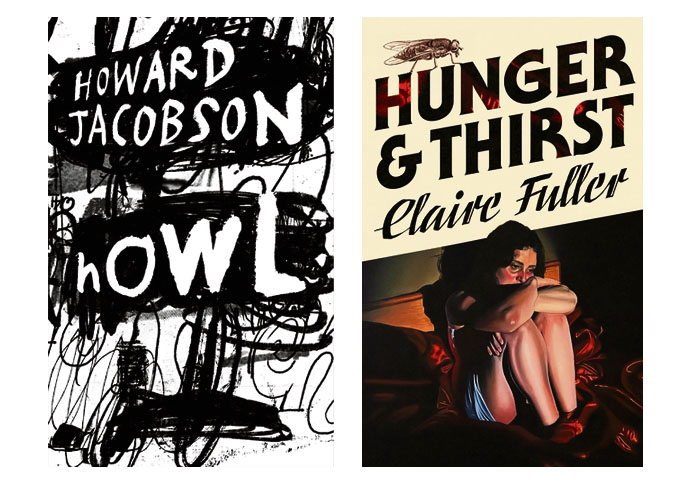
Howard Jacobson’s Howl (Jonathan Cape) is set in the aftermath of October 7. Ferdinand Draxler walks the streets of London in despair. The son of a Holocaust survivor who accuses him of cowardice and the father of a daughter who sees him as complicit in genocide, Draxler fixates on bad news. The staffroom at the primary school where he is headmaster has become a battlefield of inflamed opinion he does nothing to quiet. Even his wife Charmian, a beacon of calm, isn’t sure she can save Ferdie from himself.
April
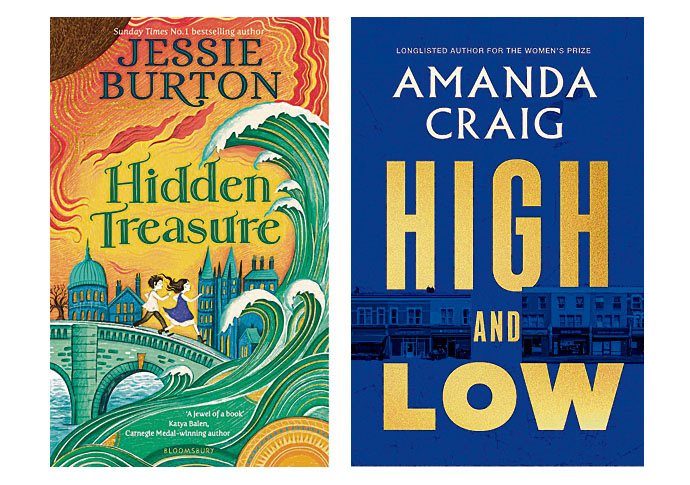
For those who live on the banks of the Thames, the river is a living, breathing thing. It can take and hide your treasures. In Jessie Burton’s Middle Grade novel, Hidden Treasure (Bloomsbury), Bo and Billy are two children who have never met. Billy is an orphan, and Bo lost her father when she was small; now her brother has gone to war. Each child discovers half of a priceless treasure offered up by the river – a treasure with the power to return to one of them the
most precious thing they have ever lost.
Ashley Hickson-Lovence’s latest novel offers an affecting portrait of a 66-year-old man of mixed heritage living on the Irish border. In About to Fall Apart (Faber), Aidy’s just punched a co-worker, but hasn’t got time to deal with the fallout. With a deadline fast looming, he must get home, knuckle down and finish the story he’s been working on. Set across one weekend, Aidy has to stay positive, reconnect with his children and perhaps find his birth mother.
May
Camden-based author Amanda Craig’s latest state-of-the nation novel, High and Low (Abacus) is set in Cross Street, north London. A gang is hunting for a child who has been drawn into crime with tragic consequences; a riot erupts outside the church where asylum seekers have been sleeping, and many cities have descended into fierce protests. Inside the café, a group of writers, bakers and shopkeepers are sheltering. Over a few hours, the divisions between high and low, old and new, haves and have-nots are thrown into violent relief.
Claire Fuller’s Hunger and Thirst (Fig Tree) opens in 1987. After years in and out of care, 16-year-old Ursula finds herself with a new job in the post room of a local art school, a bed in a halfway house, and some new friends. Thirty-six years later, a renowned, reclusive sculptor living under a pseudonym in London, Ursula’s identity is exposed by true-crime documentary-maker who is digging into an unsolved disappearance.
Daljit Nagra’s autobiographical collection, Yiewsley (Faber), explores the poet’s experiences growing up in the white, working-class suburban town near Heathrow from the 1960s to 80s. As Britain shifts from a post-war manufacturing economy to the Thatcher period and the computer age, the poems evoke a bustling house filled with relatives from India. They also chart the writer’s creative path, where “messy English” collides with Bollywood ballads, Top of the Pops and school hymns.
June
Colin Grant’s What We Leave We Carry: Voices of Migration to Britain (Jonathan Cape) asks what is left behind when people migrate, and what is carried with them. These are the overlooked stories of individuals and communities, from South Korean restaurateurs in New Malden, to Lithuanian tailors in Glasgow, Nigerian hairdressers in Peckham, and many more. Together, these accounts offer the chance to see Britain in all its richness and complexity.
Children’s Laureate, Frank Cottrell-Boyce has travelled the country, meeting children and young people in schools and libraries, young offenders’ institutions and prisons, many of them living in precarious conditions. A British Childhood (Picador) explores what it means to grow up in modern Britain. It is a searing indictment of our failure to protect the nation’s most vulnerable citizens, and a call to defend the innocence of childhood.
• Please support our local bookshops
