Stark housing stats reveal scale of crisis leaving children homeless
One child in every classroom now lives in temporary accommodation
Friday, 20th March — By Isabel Loubser
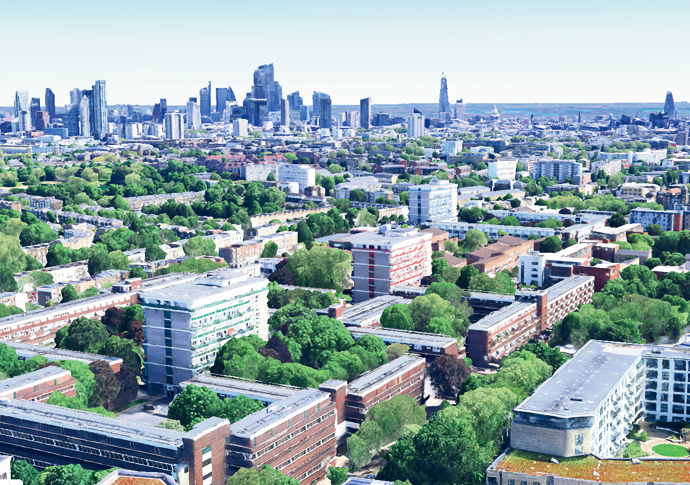
The average private rent of £2,700 in Islington is out of reach of housing benefit
A DAMNING report by the Town Hall has condemned homelessness as a “system-made crisis” as it reveals how one child in every classroom now lives in temporary accommodation.
Buoyed by a lack of housing, skyrocketing costs, and frozen housing benefits, the situation was described as “stark”.
Five per cent of children in the capital are growing up in temporary accommodation, while 10 per cent of people in Islington temporary accommodation are moved out of the borough to try and cope with high costs and a lack of supply.
Some are sent as far away as the Midlands.
“Beyond that statistic are thousands of children doing homework in single rooms, moving schools repeatedly, and growing up without the stability that every child deserves,” said Councillor Dr Hannah McHugh, who chairs the housing scrutiny committee.
The report detailed how hundreds of people continued to sleep rough in the borough last year, and how frontline workers were struggling to keep up with the ever-increasing number of people reaching crisis point.
Unaffordable housing costs – the average rent for a home in Islington is now £2,700 a month – mean that ever more people are facing homelessness.
Meanwhile, the frozen local housing allowance is much lower than the average rent, forcing the council to find hundreds of pounds per household to cover the difference.

Cllr Dr Hannah McHugh
“It’s galling when you see anyone suffering through homelessness,” Cllr Dr McHugh told the Tribune.
“The situation keeps any good councillor up at night, and if the affordability of housing gets worse, then we will have to up our game.”
But the committee chair stressed that “the picture in Islington is quite bright” in comparison to neighbouring boroughs.
The average wait time in temporary accommodation in Islington is just 10 months, far lower than the years many have to wait in other areas, and 900 households were prevented from becoming homeless last year.
“Other councils are spending more and managing homelessness less,” said Cllr Dr McHugh, pointing to the fact Islington used just 1 per cent of its budget on the issue compared to the average 3 per cent across London.
“There’s a lot that local councils can do in investing in prevention. We have really good relationships with other public service providers and the voluntary sector, and we have such a passionate and dedicated workforce.”
The report refers to the perfect storm of factors – stalled housebuilding, frozen rates of Local Housing Allowance and sky-rocketing private rents – as creating a “system-made crisis”.
“Homelessness is not inevitable”, the report reads. “It is the result of choices about housing, welfare and public services.”
But for all the work done at the council level to manage the crisis in Islington, the local authority is still beholden to decisions made on a national level.
Recommendations in the report include appealing to the government for increased funding to buy back ex-right to buy homes, a scheme which is already proving successful, as well as increasing local housing allowances and introducing some form of limits on rent increases.
“Homelessness is a system-level failure, that cannot be said enough,” said Cllr Dr McHugh.
“Increasing the supply of housing has to happen, but I also wouldn’t want to undersell the power of what you can do locally.
“At the same time as rough sleeping has increased across London, it has decreased in Islington.
“I’m really proud of that.”
