Urgent action ordered at Holborn danger junction where cyclist Francis Golding suffered fatal injuries
Thursday, 14th November 2013
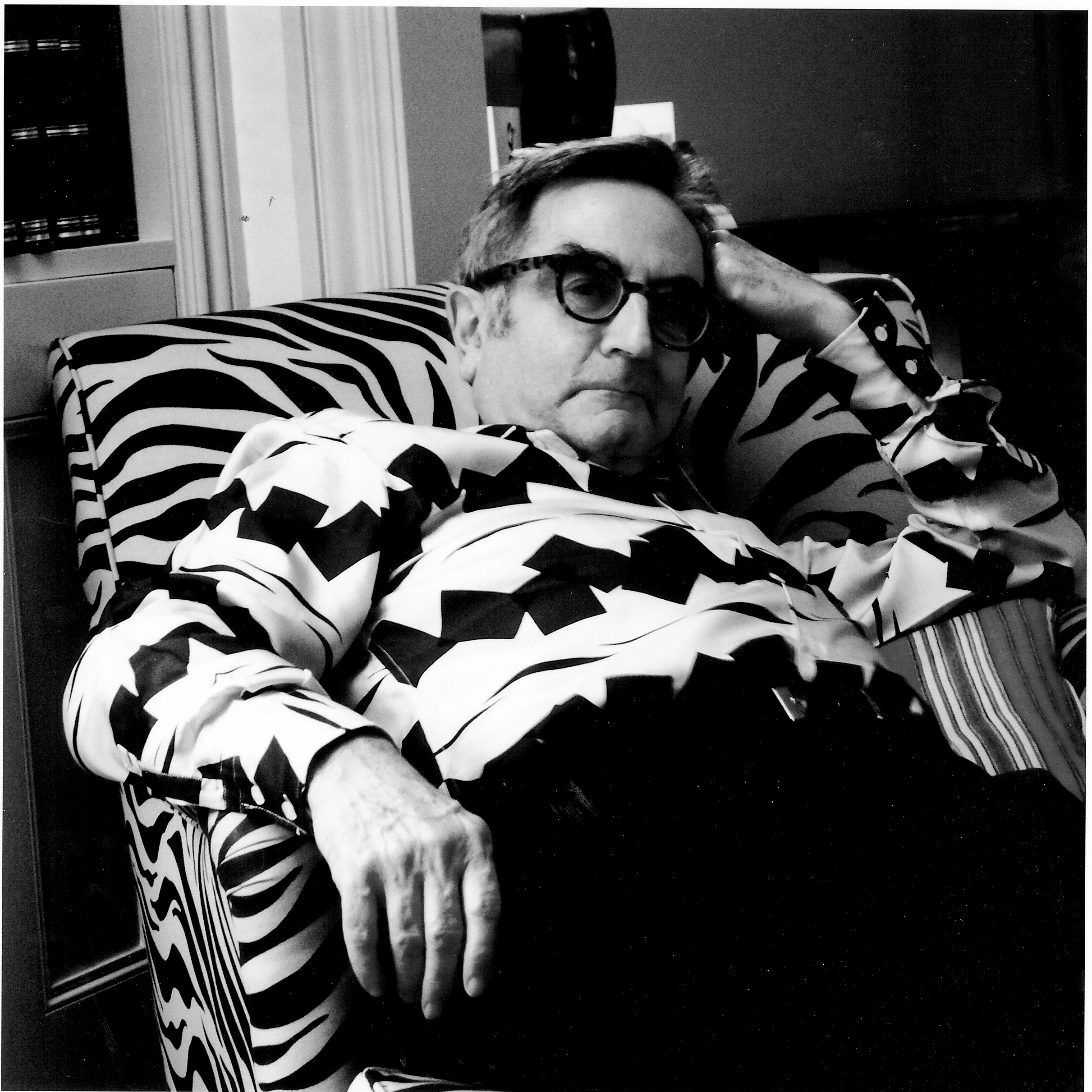
Francis Golding. Picture: Christophe Egret
Published: 14 November, 2013
by ALICE HUTTON
A DANGEROUS road junction where a cyclist was killed in a collision with a left-turning coach will undergo “major changes”, it was announced last night (Wednesday).
The move comes amid fresh warnings that the lives of cyclists are not being “prioritised” on London’s roads after eight days in which four have died in accidents.
Francis Golding, 69, an architecture expert, died in hospital on Friday, three days after the collision in Southampton Row at the junction of Theobald’s Road.
Another cyclist, 54-year-old Alan Neve, was killed just one street away in High Holborn in July, leading to a traffic-halting protest involving 2,500 cyclists.
Camden environment chief Councillor Phil Jones said last night that the council was “looking at” introducing some temporary changes to Bloomsbury Way and Theobald’s Road so cyclists could avoid the Holborn junction and to allow them to use the bus lane.
Mike Cavenett, a spokesman for London Cycling Campaign, told the New Journal: “It is extraordinary that nothing has been done there yet. Theobald’s Road has the highest morning rush-hour cycling traffic in London. If you can’t put in safe cycling measures there then where can you? People are dying.”
He added that the slow response from Camden Council and the Mayor of London’s office was evidence that “it is all about motorist traffic capacity”.
“They are prioritising cars at the expense of cyclists,” he said. “And on a road where two-thirds of the traffic there in the morning are cyclists. Until someone decides to decrease motorist capacity, or increase overall capacity on roads to allow safe space for cyclists, they will continue to die.”
Mr Golding counted many of the 20th and 21st century’s greatest designers and artists among his friends, including abstract painter Sir Howard Hodgkin. He worked with some of the biggest names in architecture, including Norman Foster and Richard Rogers.
He was consulted on many high-profile projects, such as the British Museum’s World Conservation Centre, the “Walkie Talkie” building, Foster’s “Gherkin” and Rogers’ controversial Chelsea Barracks.
Friends and colleagues described him as an eminent expert whose advice was much sought after and razor-sharp in its accuracy and depth of experience.
Friend and colleague Rab Bennetts, who saw him less than two hours before the accident as he unlocked his bicycle to go home, told the New Journal: “It is tragic and a terrible loss. He was somewhere between a historian, barrister and architecture critic.”
He added: “He didn’t actually have any formal design training but he certainly had a good eye. He was a good critic, and there are not many people around who can do that. So his advice was sought after.”
Mr Golding lived in Islington with his long-term civil partner Dr Satish Padiyar, 49, a lecturer at the Courtauld Institute of Art in the Strand.
Mr Bennetts said of the couple: “They have been together a long time. I went to his 60th birthday party, which was also Satish’s 40th. They called it their 100th birthday, which was very typical of Francis’s sense of humour. He was very witty. To the point of being very sharp. [Satish] must be devastated.”
Tony Wilson, project director of the British Museum’s World Conservation and Exhibitions Centre, due to open next year, said: “Francis had an enormous wealth of experience and made a very important contribution. He was one of life’s true characters and will I am sure be very much missed by all who knew him.”
An article published in Architects’ Journal in 2000 quoted Mr Golding as saying that he had been interested in architecture “all my life” and as a boy used to write “awful, pretentious, snotty-nosed letters about the way my town was being messed around”.
Other collisions in the capital since last Tuesday claimed the lives of three cyclists in accidents at Bow Roundabout, East Croydon and Mile End Road.
A cyclist using a hired “Boris Bike” suffered pelvic, chest and head injuries in April after a collision with a lorry driver on the same road as Mr Golding.
The driver has since been charged with careless driving and driving a vehicle in a dangerous condition.
Cllr Jones said: “We wish to send our condolences to the family of Francis Golding on their tragic loss. We are working with other agencies and await the findings of the investigation into the circumstances that led to this incident. There is much more that needs to be done to make cycling safer and we are doing all we can to deliver these changes as quickly as possible. We are working with Transport for London to develop a safe and attractive network of high-quality routes through Camden, and to address the threat posed by large vehicles.”
He added: “We are already looking at introducing some temporary changes to Bloomsbury Way and Theobald’s Road to allow cyclists to use the bus lane and avoid the Holborn gyratory. We are also developing proposals for more major changes to the junction of Southampton Row and Vernon Place and to the main streets in Holborn to make them safer for pedestrians and cyclists.”
