Vulnerable woman was locked up in jail due to a lack of suitable housing
Colleen Madden was found dead in a hotel in King’s Cross Road, the end of a struggle which sounds like something from the Victorian age – she’d been sent back to a prison cell because there was nowhere to house her. Tom Foot reports.
Friday, 24th July — By Tom Foot
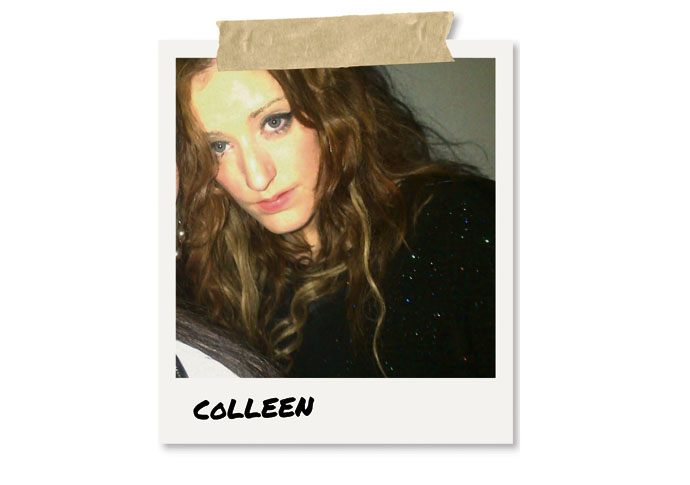
Colleen Madden, who lived in a mother-and-baby hostel, a tent in Euston Road, a prison cell and then a hotel in King’s Cross Road
AN investigation into the death of a highly vulnerable woman who was moved into unsuitable accommodation after being released from prison has exposed a series of “systemic” failures.
The review into Colleen Madden’s death in the bath at a hotel in King’s Cross Road has made a string of recommendations in the hope others can be helped.
Ms Madden had been living in a tent in Euston with “effects of trauma, including from acquired brain injury, bereavements and child removal, street homelessness experiences and instances of violence and abuse across her lifespan”, the review said.
She required a supported housing set up but no appropriate accommodation was found.
The independent investigation, commissioned by the council in Camden, revealed how she had been routinely released from prison only to be recalled to a cell because there was no suitable housing available for her.
It said there had been a string of “significant missed opportunities”, “confused planning” and “uncertainty” over the legal duty to provide housing to a vulnerable woman following release from jail, and a “significant gap” in the “housing supply for women experiencing multiple disadvantages” which requires “structural change”.
The cause of the 31-year-old’s death has not been officially established, but will be investigated in full by a coroner’s inquest expected to last five days in October.
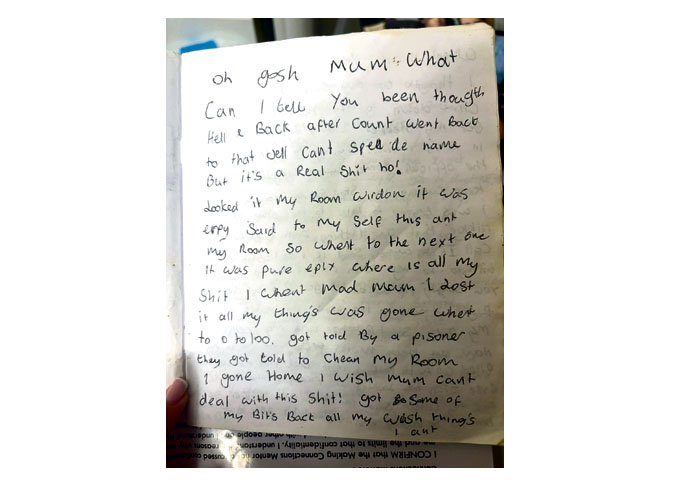
A diary from the jail where she was sent due to a lack of suitable housing
Ms Madden’s sister Angel told the Tribune: “This case has shown that once you are labelled as mentally ill, or a substance misuse person, or someone who has been in prison, they treat you like an animal. They probably treat animals better.
“They say they are changing the system to make sure everyone has had training in the future. It’s all well and good saying it. How do we know this is going to happen?”
She added: “She ended up being recalled to prison because they said they did not have the appropriate housing. They were aware she shouldn’t be left unattended.
“Then probation released her without informing the family. They put her back into an area she was banned from being in, in a hotel with no proper checks being made. The housing department, adult social care and probation have all blamed each other. They should be working together and communicating.”
Angel said her sister had called to say she was running a bath in the King’s Cross Road hotel before her death.
The family had requested a welfare check, as she was known to pass-out due to her brain condition, but this was not done.
Angel said: “They didn’t enter the room, they just looked in and saw her belongings and thought she was ok. She was dead in the bath. We are Irish Catholics, and we weren’t able to view her body [due to the investigation into the death].”
Ms Madden had gone to a special needs school as a child after being diagnosed with a severe form of Attention Deficit Hyperactivity Disorder – ADHD. While at the school she got pregnant aged 16, her sister said, and she found herself later living in mother-and-baby hostel units.
“Honestly, she has been failed since the age of 16,” said Angel.
“She ended up meeting the wrong people, got into drinks and drugs. We are really a close knit family and my mum has always done everything for Colleen. That’s why we are fighting so hard on this. She did get her life back on track too. But when our father died, she had a downward time. Our sister also died in 2024.”
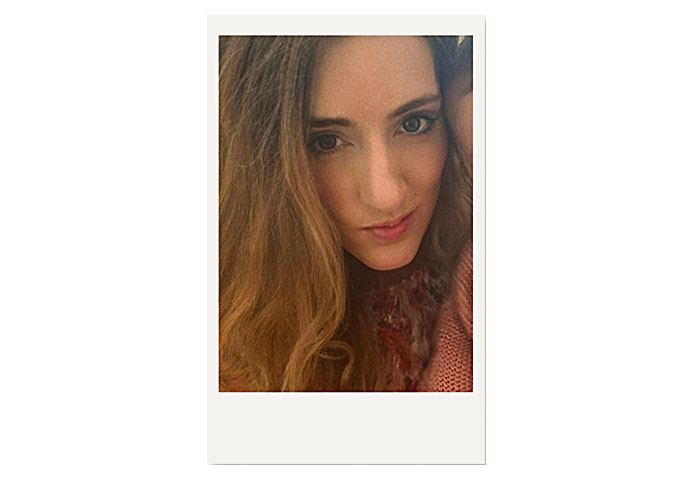
Angel said Ms Madden, despite her mental health problems and living in a tent in Euston, was “never miserable” and was a devoted mother to her two children. She loved reggae, R&B and rap – Mariah Carey and Eminem were among her favourites.
Angel said that the family had recovered Ms Madden’s prison diaries that include entries about fed up about being routinely released and recalled.
She said: “One time they released her on New Year’s Eve and then because the housing was wrong so they recalled her the same evening. Two weeks later they released her again, and that’s when she died.”
The family has shared her writings from her time in prison with the Tribune which include drawings, poems and passages about being held in isolation and physical attacks she endured.
She had been convicted of “violent offences”, but her family argued her behaviour was “not always understood through the lens of the neurodivergence, brain injury and trauma that she lived with.”
In 2019, she had been hit by a car in Euston Road causing a life-changing brain injury. She recovered, but in 2023 the death of her father – a well known rag and bone man around north London, Terry Madden – “triggered a period of crisis”.
During this time, she was given a 12 month prison sentence, which was followed by two more custodial sentences.
The review said that Colleen had been placed in at least seven different supported housing services in the borough over the previous five years but that she was unable to “manage and sustain her own tenancy”.
It was “clear her needs exceeded the support available from these services in the long term” and there were “known risks of harm” for her in unsupervised hotel accommodation.
The report confirmed there had been decisions to recall Colleen to prison due to the “absence of suitable housing” and “system coordination issues”.
“Little consideration appears to have been given to the adult safeguarding implications of these decisions,” it added.
Review author Gill Taylor’s conclusion said: “Colleen’s death highlights the profound vulnerabilities experienced by women living with multiple disadvantages and the critical importance of coordinated, trauma-informed, legally-literate multi-agency practice.
“This review identifies that efforts were unduly fragmented, reactive, and constrained by gaps in information-sharing, risk coordination, legal literacy, suitable accommodation options and the meaningful inclusion of Colleen and her family.”
Ms Taylor has more than 20 years working on homelessness and cases of disadvantaged women.
“Colleen’s experiences also highlight the wider context in which safeguarding and homelessness systems operate: a national housing emergency, limited specialist accommodation for women with complex needs, and growing pressures on criminal justice, health and social care services,” she said.
The safeguarding report’s recommendations include setting up a new policy on prison discharge for adults with care needs and calls for a “strategic review of rough sleeping and homelessness support for women with care and support needs” .
A Camden Council spokesperson said: “Our deepest sympathies are with the family and friends of Colleen Madden. The purpose of the Safeguarding Adult Review is to learn how the council and its partners can work better together to support and safeguard adults in the future.
“The council will support the coroner at the inquest, carefully consider the findings and work with partners to implement any learning.”
The full coroner’s inquest is expected to take place in October.
