Baillifs turn up at restaurant to take gas cookers in unpaid tips row
Waiting staff bring legal action but Tenshi owner says he didn't have an opportunity to defend himself
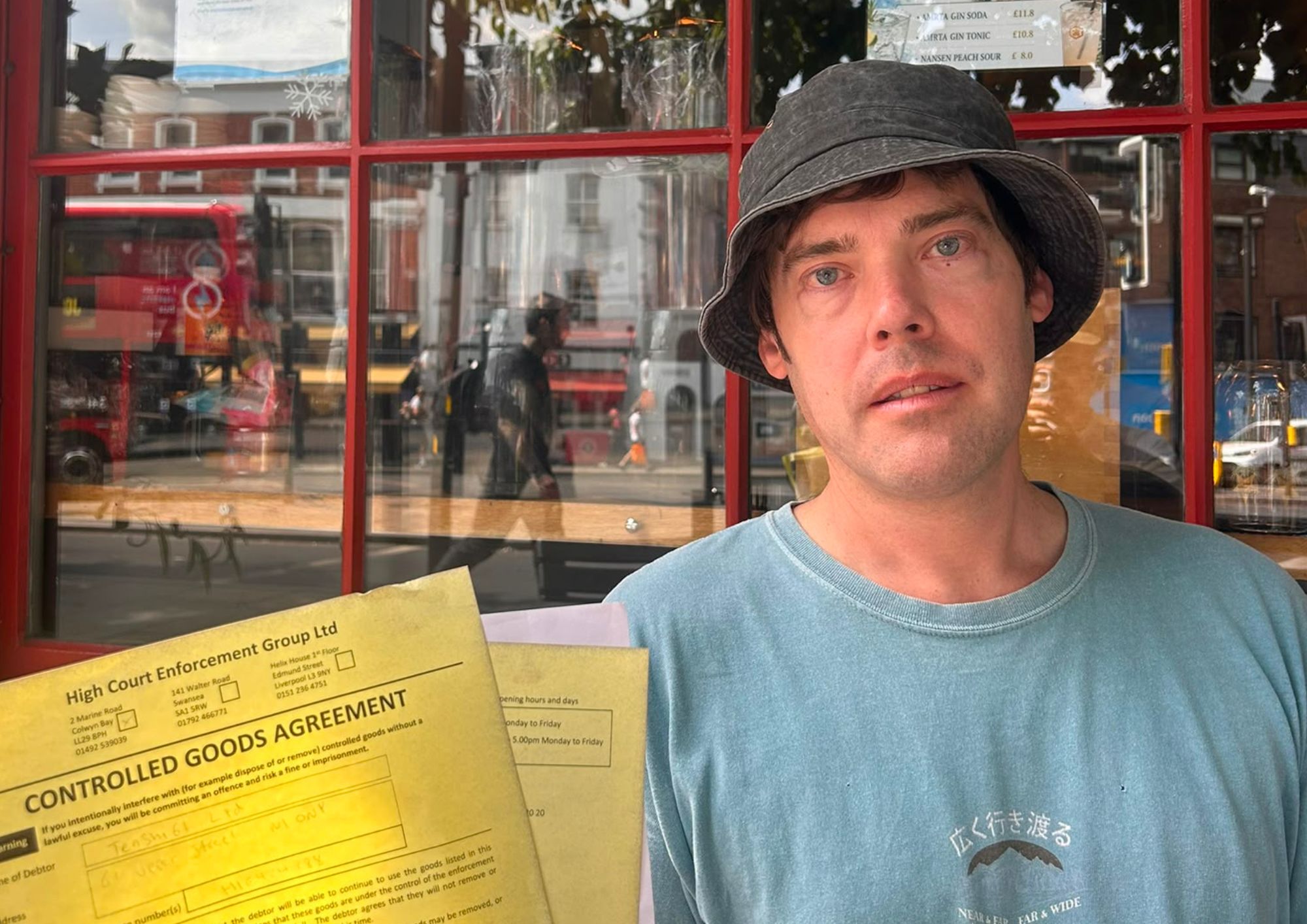
Joe Mossman at Tenshi in Upper Street
By FINN LOGUE AND FELIX BRIGHT
DINERS at a popular sushi restaurant were shocked to have the Friday lunch service interrupted by bailiffs demanding money from the owners in a row over tips.
Joe Mossman said the move at his Tenshi eatery in Upper Street was “heavy-handed” and disputed that he had done anything wrong in an ongoing legal dispute with former staff.
He said: “They demanded that I give them money there and then, and threatened to take away my gas cookers. It seems unfair that they can show up whenever they like – they chose our busiest time – and start saying we owe them money.
“Obviously, if I was made aware that these claims were going ahead, then I would have attended the court hearing, fought my case, and explained to the judge what was going on.”
The case reveals a new dynamic in the relationship between restaurant owners and service staff, and who should pocket the tips left by customers at the end of a meal.
A change to the law around tips, as per the Employment Act 2023, suggests that employers must share tips in a “fair and transparent” way.
This does not mean, however, that they must be distributed evenly.
It is understood that three former employees at Tenshi have made claims totalling almost £15,000 for what they say were “unpaid tips” from their time working at the restaurant.
A tribunal case was taken to the London Central Court in February – but Mr Mossman said this week he was unable to fight his corner because he wasn’t told about the date of the proceedings.
“I was never notified about the hearing, and therefore unable to defend my case, and so now I have bailiffs turning up unannounced at the door and making menacing threats that they would take my equipment,” he said.
Mr Mossman added that he felt the visit was intentionally timed in the middle of the lunch service to cause “as much disruption as possible”.
Customers cleared out of the restaurant during an ongoing confrontation, and some had their bill cancelled by Mr Mossman, who said he was too embarrassed by what was going on to ask for payment for what they had ordered.
He said: “I’m already struggling enough as it is; times are hard for hospitality restaurants,” he said.
“Now I have this added stress, and I’m very frustrated at the way these debt collectors have gone about it; it feels like they are enjoying it whilst they do it.
“For my staff it was uncomfortable, and I have concerns that they may be thinking about leaving because they don’t want to be working somewhere that things like this are happening.”
The bill currently being chased by the High Court Enforcement Group, a bailiff agency working on behalf of the High Court, is for more than £5,000, which includes interest payments and expenses.
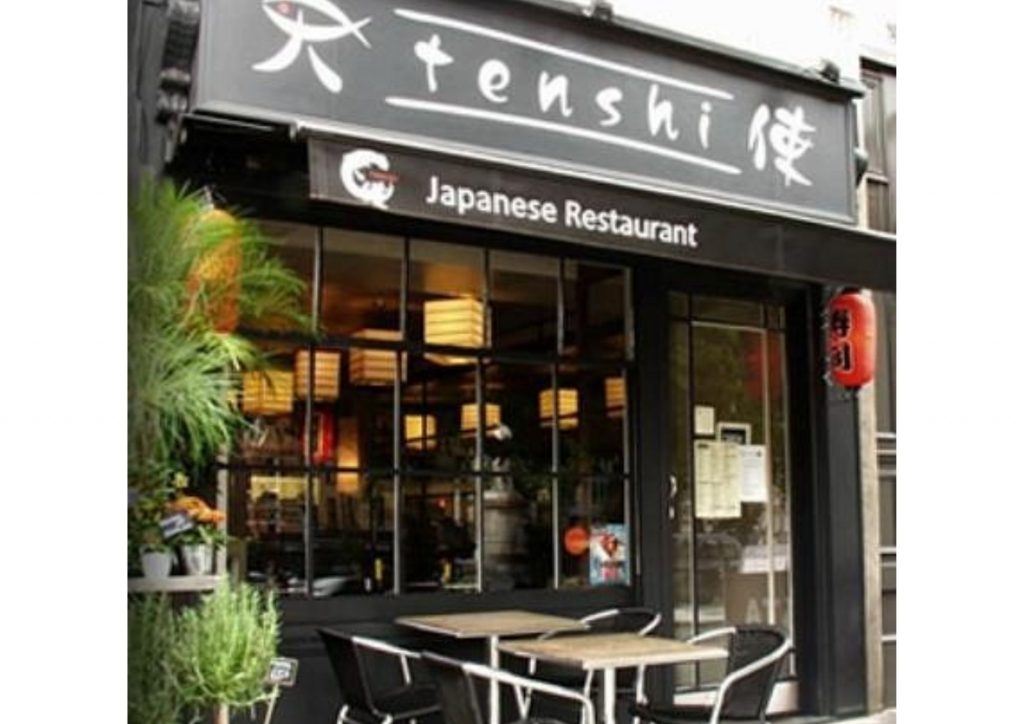
Tenshi
Mr Mossman said he told the enforcers he simply could not afford to pay that amount up front.
He has settled with one claimant out of court, but now faces a lengthy appeal process to try and overturn the rulings of a second claimant. The third case will be heard in October.
Mr Mossman told the Tribune his legal advice had been to pay the first claimant’s settlement amount as they believed it was an isolated incident, and it should not be seen as an admission of guilt.
Tenshi is one of the longest-standing restaurants in Upper Street, having been there since 2009.
The Tribune was unable to trace the former staff bringing the legal action.
We contacted the bailiffs involved in the visit to Tenshi for a comment about the incident but none was provided.
The advice at ACAS – the workplace advisory, conciliation and arbitration service – is that “employers should use clear and objective factors when deciding how to share out tips”.
Many customers who leave a tip at the end of a sitting assume that the money is going to whoever had waited on them that day – but different restaurants have various policies on where it actually goes.
The ACAS advice to restaurant owners adds: “Employers must make clear in a written policy how they divide tips fairly. They should also make this clear in employment contracts.
“Employers must keep records of tips.”
The service says that tribunals do remain a legal option for staff who feel they have been unfairly denied their share.
