Coroner issues warning over drugs being ‘rife’ in Pentonville Prison
Substances entering attached to drones, in throwovers, via prison officers, visitors and prisoners, and in the post
Friday, 8th May — By Daisy Clague
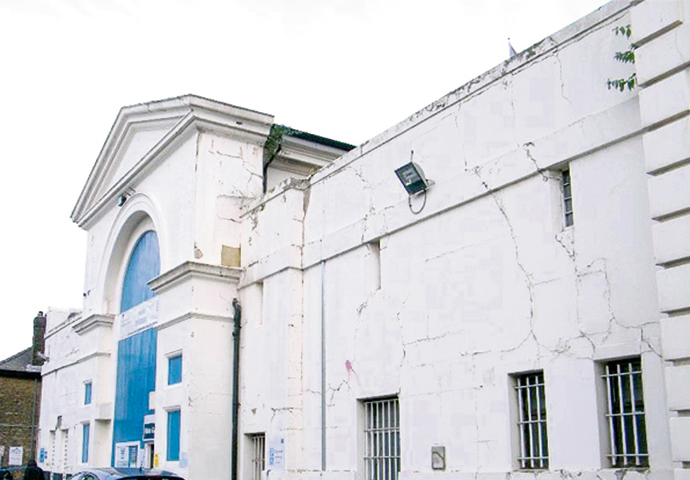
Coroner Mary Hassell’s report follows the drug-related death of an inmate at Pentonville Prison
THE “enormous reach” of drugs in British prisons could give rise to future deaths and violent reoffending, warned a coroner after the death of a prisoner at Pentonville in 2024.
A report by Senior Coroner for Inner North London, Mary Hassell, told how drugs are “rife within Pentonville” and other prisons, entering attached to drones, in throw overs, via prison officers, visitors and prisoners, and in the post.
Her report followed an inquest into the death of 36-year-old Peter Campbell, who collapsed in his cell at the Islington facility on October 3 2024, after smoking a drug, the name of which is redacted in the coroner’s report.
Despite immediate attempts at resuscitation and being taken to hospital, Mr Campbell died five days later.
At inquest, a jury concluded that his death was drug-related and gave a “narrative conclusion” – a more contextual finding about a death, additional to just the medical cause – detailing a failure to prevent drugs from entering the prison system.
Ms Hassell’s report warned of the risk of future deaths under similar circumstances if the circulation of drugs in prisons is not reduced – including the drug that caused Mr Campbell’s death, one that is “many times more potent and dangerous than cannabis”.
To the Prison and Probation Service and Pentonville’s governor, she wrote: “Every witness at inquest who expressed a view gave evidence that drugs are rife within Pentonville, as they are across the prison estate.
“[Redacted drug] has infiltrated the prison population with enormous reach and with potentially devastating consequences for the prisoners themselves and for others – there is a risk of prisoners leaving prison in a worse state than when they went in, a state that may of course be reflected in violent reoffending.
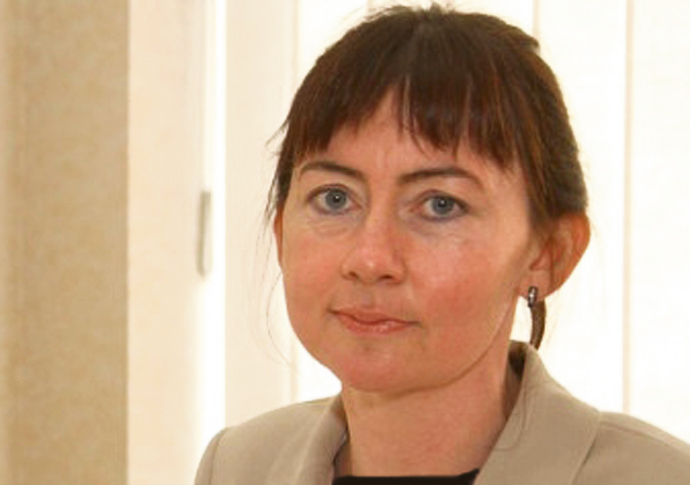
Coroner Mary Hassell
“Initially, I was not going to include that failure within my prevention of future deaths report, because the availability of drugs in prison seems such a huge and intractable problem. However, on reflection it seems to me that it would be complacent to view the size of the problem as prohibitive. Perhaps the size of the problem dictates only the size of the solution required.”
A second section of Ms Hassell’s warning addressed the inquest jury’s finding of failure by the prison drug service to meaningfully interact with Mr Campbell between him collapsing once in his cell on September 18, and again on October 3, after which he died.
Her report highlighted how a recovery worker – employed by the charity Phoenix Futures – visited Mr Campbell at his cell on October 1 “in an attempt to promote harm minimisation”.
Ms Hassell wrote: “[The support worker] did not read any part of his medical records before she saw him, and she did not know whether she was meant so do so. She was.
“She spoke to him through the hatch in the cell door, with his cellmate present. This was her normal practice, but she was not able to say why. It should not have been.
“She did not have any meaningful discussion with him about his drug use, either the use that led to his collapse on September 18 2024 or his use generally. She should have.”
The first time these “failures” were recognised was at the inquest, Ms Hassell wrote.
The prison service has spent £40million on physical security enhancements – like replacing windows and CCTV – including £10million on drone countermeasures.
A Prison Service spokesperson said: “We will carefully consider the findings of the Prison and Probation Ombudsman and the coroner and respond in due course.
“We are cutting the flow of drugs into prisons across the estate in England and Wales by using X-ray body scanners, detection dogs, and restricted fly zones.”
A spokesperson for Pheonix Futures said: “We are deeply saddened by the death of Mr Campbell. We are carefully considering the concerns raised by the coroner, how they relate to our practice, and what further improvements we can make to the services we provide.”
