How ‘Uncle’ Joe helped to ‘lay the base for others…’
Windrush migrant went on to be a vital elder in NW5
Friday, 19th June — By Dan Carrier
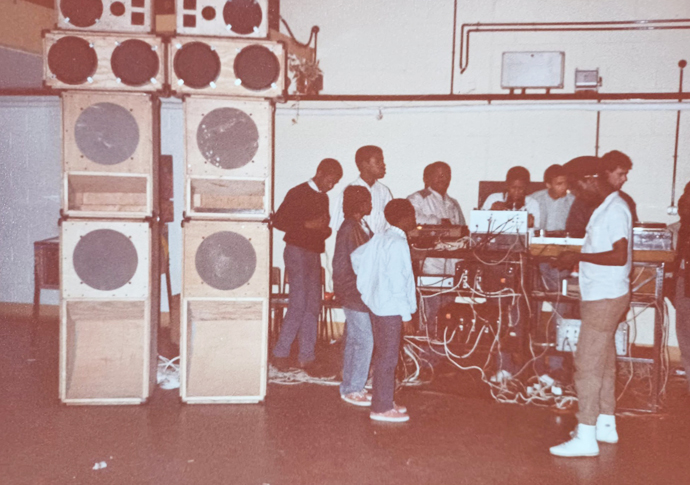
Members of the Roberts family built the area’s first sound system – called Mighty President – and took it to parties across Kentish Town
WHEN “Uncle” Joe Rogers left Grenada in 1955, he came to London to answer the call for help rebuilding the UK after the war.
He was born in 1930 and had worked in the family’s saw mill, where they harvested wood and made charcoal for sale.
As he set off from the small Caribbean island his family called home, he would not have known his transatlantic voyage would be the start of new roots laid down for generations of Kentish Towners.
His family are one of the borough’s original Windrush migrants, and Joe would go on to be a vital elder in NW5, helping many with housing, work and, once the working day was done, some downtime and culture.
He first landed a job with Esso, working in a factory that made skin creams, and with a steady wage in his pocket, he looked for ways to build a new life for himself and a family in Grenada.
Moving to Kentish Town, he faced the same issues many of the Windrush generation had to counter: a bigoted unwillingness to let lodging rooms to people from the Caribbean.
But Joe found a friend in a Jewish landlord who no doubt recognised the racism he faced and knew of the immigrant’s experience through his own family’s journey.
His nephew, Paul, recalls how Joe moved to Southampton Road and rented a room from the Jewish man.
He had settled well enough that by the late 1950s he was joined by three sisters, Catherine, Doreen and Cynthia, who also made the journey from Grenada.
The question of housing was always a problem for Caribbean émigrés: and Joe discussed this with his landlord, who suggested he tackle the problem by buying houses himself, doing them up and renting them out.
“It was the early 1960s and much of Kentish Town was rundown. There were streets with houses that had been turned in lodging rooms and flats, and needed repairs,” says Paul.
“Uncle Joe saved up wages, bought property and then did the work to make the places good himself. He helped fellow Grenadians, who were coming to England for work, and helped them get on their feet, find a decent home and settle in. It meant they could then send for their families to join them – and Uncle Joe was a key figure in the Windrush generation in NW5, helping families come together.”
The family, now known as the Roberts, settled in Malden Road, living in numbers 84, 86 and 88. They became central to the Grenadian and Caribbean community in Kentish Town and the Malden Road homes became an unofficial community hub.
“At the weekends people would gather, cook food and make entertainment among themselves,” recalls Paul.
“It helped people settle, it helped people celebrate their roots. It also helped practically, with support, work, and camaraderie. It could be hard for people moving to the UK from the Caribbean – they faced low pay, housing issues, and racism.
“Uncle Joe and his generation worked hard and laid down the base for others.”
With some pubs unwelcoming and a night out in the West End costly, the Roberts family homes provided a warm and sociable welcome.
“Throughout the 70s, 80, blues parties would be held in the basement in Malden Road and people from all over would attend,” recalls Paul.
“A member of the family built the first sound system in the area called Mighty President sound. They took the system to parties across Kentish Town, including Interchange at Talacre, and up to the old Hampstead Town Hall.”
The experience of forging a new life meant hard work was key – and the Roberts family threw themselves into making their own successful businesses. This was partly in response to some of the migrant experience, which saw only poorly paid jobs available and then racism on the shop floor and from management.
Running their own businesses made sure they benefitted from their graft, added Paul.
“The family went on to create businesses including a motor repair garage and Caribbean restaurants,” he recalls.
“Later they also worked in organising and promoting music events and established themselves as a black-owned successful business family in the Camden area. Uncle Joe helped many who answered the call to help the mother country rebuild after the war.
His legacy continues with his family still working hard and living in Kentish Town and Camden.”
