Survivors of abuse scandal ‘feel like they’ve got nobody’ as support is cut
Trauma services ‘recklessly axed’ – without any appropriate replacement
Friday, 10th April — By Isabel Loubser
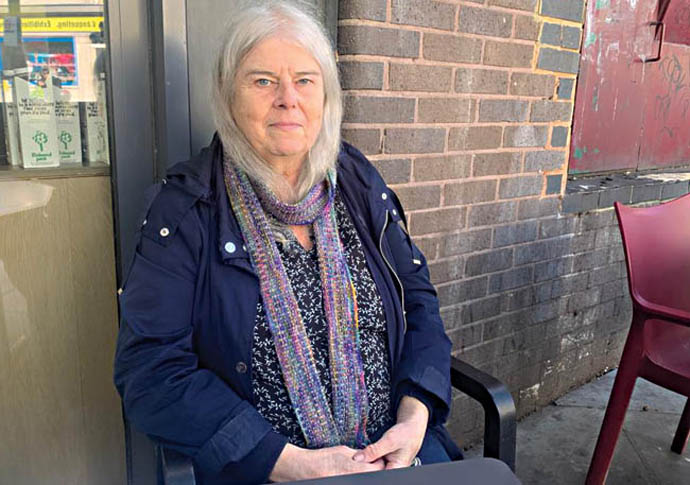
Ex-social worker Dr Liz Davies exposed the abuse
SURVIVORS of the Islington Council children’s home abuse scandal have been left stranded after services were “recklessly axed” in a budget cut, the social worker who exposed the abuse has said.
The Tribune reported on the decision to end trauma services and funding for Islington Survivors’ Network in January, but the funding cut was implemented on March 31 without any appropriate replacement, according to Dr Liz Davies. She was left fielding calls from desperate survivors in need of support and advice over the Easter weekend.
The former social worker said survivors were now being directed to the mental health charity MIND, but added that it was worrying that this was not a specialist service and that phone operators had never heard of ISN, the organisation which has helped some 800 survivors.
She told the Tribune: “Survivors now feel that no one cares about them, that they’ve got nobody. Before, campaigners felt like they were being listened to when the services were first set up.
“This was a very specialist service, and now they’ve lost all these people they had that they could ring about whatever it was that had upset them. Maybe they couldn’t even explain it that well but they could ring them and they could get a response. Now, they will have to start from scratch.”
The Town Hall said earlier this year that it was an “appropriate” time for them to end the support scheme which has run since 2017, and seen the council pay for therapy and other services for victims. It has previously described decades of sexual abuse against children placed in council-run homes as the “worst chapter in its history”. The abuse took place between the 1960s to the early 1990s, while warnings of a paedophile ring were dismissed.
Dr Davies estimates there were 2,000 children living in the homes during this period.
A report by Sarah Morgan QC, commissioned by the council in 2018, concluded that: “Many will need access to specialist counselling or therapy; some will be ready to take that up as soon as it is offered; some may not be ready to take it up yet but may find that they are in a few years. It must still be available to them when they are ready.”
Dr Davies said it was “shattering” that this support – the trauma service at St Pancras hospital, the Non Recent Abuse Team, and a grant for the ISN itself – was now being taken away.
She told the Tribune: “It’s just terrible. It’s absolute devastation which we can’t solve. I’ve written and said I hold the council responsible for the consequences, and there will be consequences. These are people who have been kept alive by these services, and they feel in absolute despair. A lot of them we won’t hear from, they will go back into their shells.
“It’s tragic. The trauma service was so good, and the work they did was life-changing. We spent so long in meetings with them and survivors, and they got it right, we never had one complaint about them.”
An Islington Council spokesperson said: “We remain committed to ensuring that survivors continue to have access to meaningful, trauma-informed support. The new model of support is designed to be sustainable in the long term. It was shaped over several months with input from survivors themselves and partners including the Islington Survivors Network.
“Best practice has been embedded into adult social care provision. A new community support service, delivered by Islington Mind, complements existing community and NHS services, working together to support people in different ways.
“Islington Mind have extensive experience working with residents who have experienced trauma. They are ready to support survivors and understand their needs. Islington Mind are also well connected with other services and are committed to partnership working to support survivors with a range of issues they may be experiencing. Our shared goal remains the same – to ensure that survivors continue to have access to informed, compassionate and safe support in Islington.”
