Want to be flexible? Why SME’s should consider contract hire
Tuesday, 4th April 2017
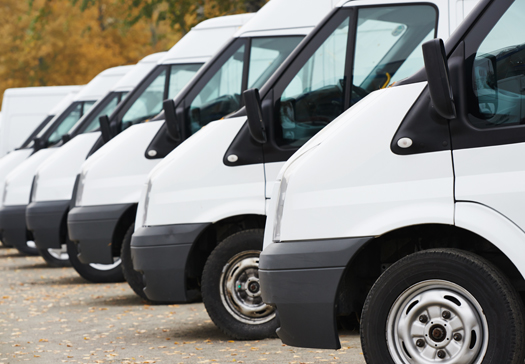
If you’ve ever considered getting a business off the ground, you’ll no doubt have looked at various ways of cutting costs and finding options that are perfect for you. Part of that process will be the acquisition of technology, hiring the right people, putting a business strategy in place, and the choice between buying and renting. When it comes to saving money and hassle, the last of these is very important and should be researched before diving in and buying.
One might consider leasing computers or the premises themselves – few SMEs and fledgling companies have the means to go out and purchase a new building. There are a number of things to check before you take up a lease (Wire UK lists a few here), including the level of service charge, the possibility of paying stamp duty, and your ability to stay as a tenant at the end of the term.
Checking the conditions of the lease is important, as a financial penalty could be imposed if you break them. However, with the right agreement you might be able to leave when you want, or expand to take on additional space if your company flourishes as many SMEs are doing.
Certainly, if vehicles are paramount to your success and you expect to be travelling, then leasing a car/ taking it on contract hire could be a good idea. You might already possess a car or cars, but will they impress when you turn up for a meeting? Is your car efficient, or fast enough, or spacious enough for your needs?
Leasing, or contract hire, allows you to borrow a vehicle for a set period of time. You’ll only pay for its depreciation (fall in value) rather than the total cost of the car. The business contract hire industry is booming with people eager to save money (which could then be pumped into the rest of the business), and it’s easy to see why.
At the end of the term you won’t own the vehicle (or vehicles) but you also won’t have to deal with the hassle of disposal. If you wish to buy the vehicle, taking up a contract purchase at the start of the term will allow you to do so. Or perhaps you might want to renew a lease with a new car, van or transit? Contract hire for businesses allows you to keep up to date with the latest models without paying substantial amounts.
It also lets you save costs on maintenance, since many lease terms of 2-3 years also include free maintenance and breakdown costs under a warranty agreed at the time the lease is taken out. Clearly, with a fleet of vehicles, this could prove cost-effective. This might also apply to leasing out a building, insofar as the fact that as a tenant, you’re not directly responsible for the upkeep of the building.
Contract hire might not give you the security that ownership confers, and it might not give you the driving conditions you need (for example, you may to have to pay if you want to upgrade your mileage limit). However, the pressure of selling and the ability to permanently drive a new or nearly-new car, might be enough to confirm that leasing is the right choice for your business.
